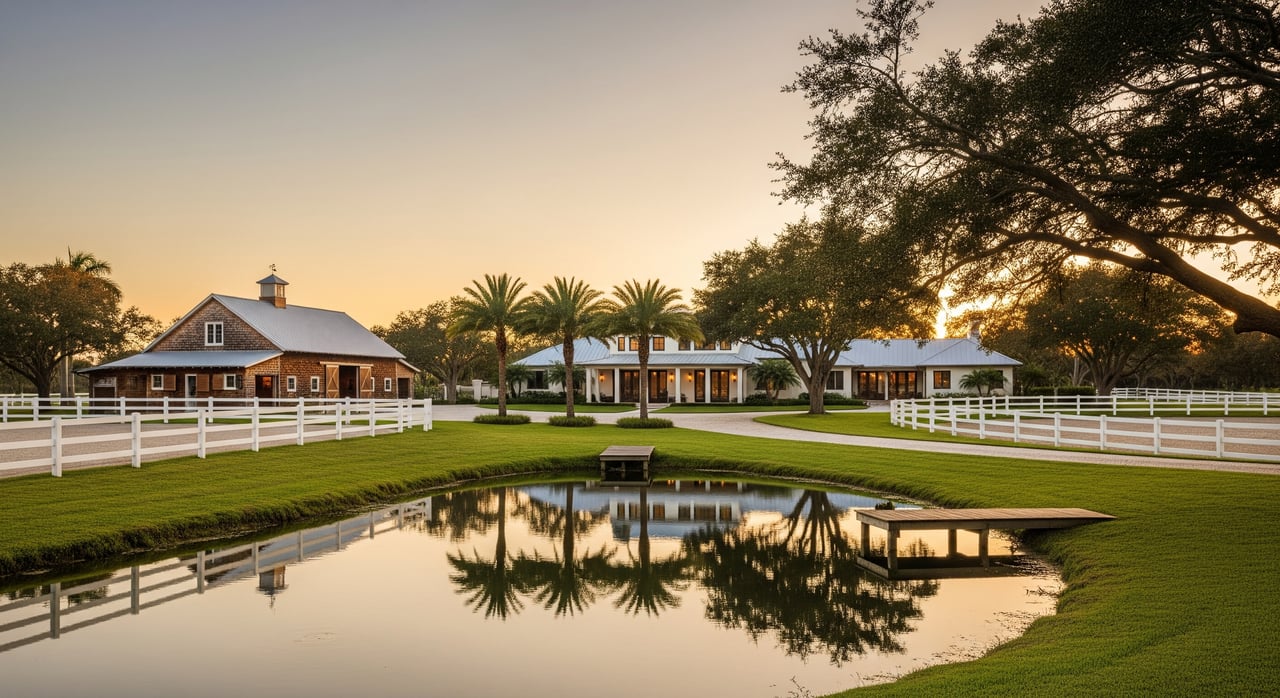
The Acreage Value Drivers: Lots, Canals & Outbuildings
November 6, 2025
November 6, 2025
Think every acre is equal? In Loxahatchee’s Acreage, the acres you can actually use are what buyers pay for. If you’re planning to buy or sell here, understanding how usable land, canal location, permitted outbuildings, and hurricane hardening affect value will save you time and money. This guide breaks down what really matters, how appraisers look at it, and how you can document your property to capture every dollar. Let’s dive in.
The Acreage is unique in Palm Beach County. Parcels are larger, shapes are irregular, and many properties support equestrian or hobby-farm uses. Scarcity of large lots in a growing county creates demand, but not every acre carries the same weight. Buyers compare properties based on how much of the land is usable, the quality and permitting of improvements, and how the site handles weather and drainage. Local zoning and environmental rules set the boundaries for what is possible.
Gross acreage is what’s on the deed. Usable acreage is the portion you can build on, fence, farm, or develop without running into setbacks, wetlands, or drainage easements. Parcels with a higher percentage of usable land trade at a premium. If a significant slice is wetlands or subject to wide canal easements, buyers will discount the price.
To verify usable land, review a site survey, recorded easements, and mapping. Start with wetland and drainage resources, such as the South Florida Water Management District for canal and permit context and the National Wetlands Inventory for wetland indicators. You can also confirm zoning, setbacks, and permitting rules through Palm Beach County’s planning and building resources. Linking these together gives you a realistic view of what you can do with the property.
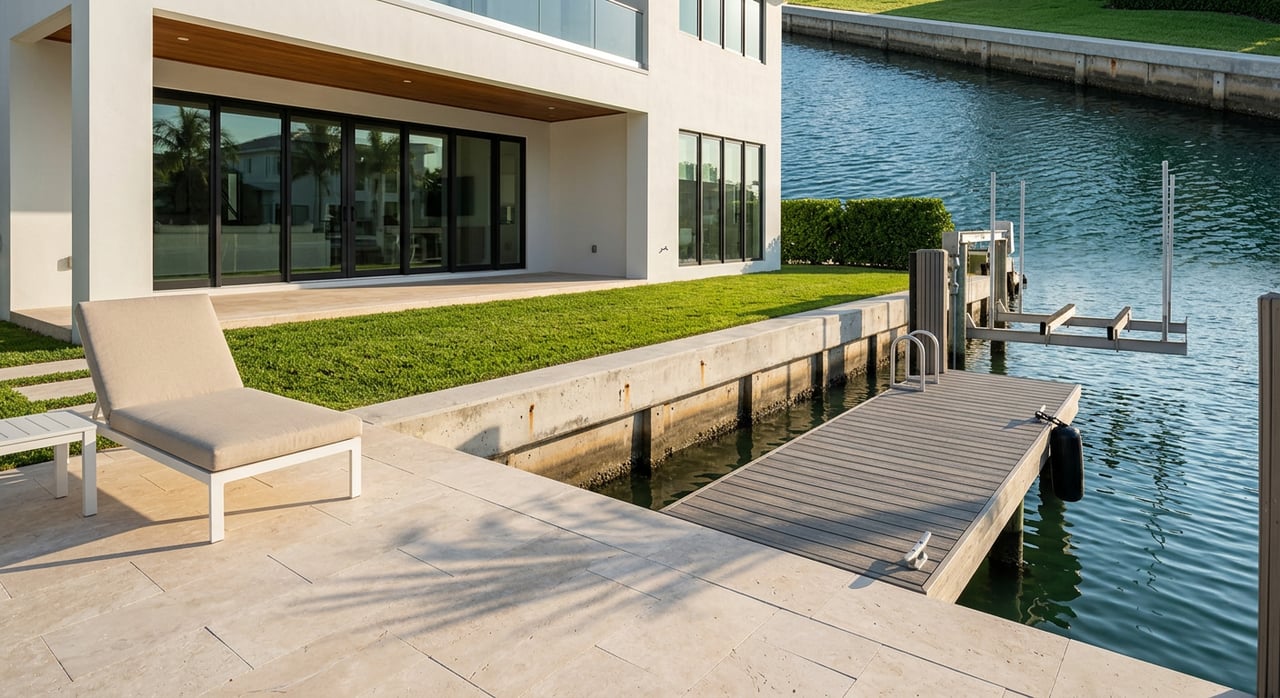
Canal proximity can add value or limit it. If the canal is navigable or provides direct irrigation or scenic appeal, buyers often pay more. If it is primarily a drainage canal with required buffers, mosquito control concerns, or strict easements, it may not boost value. Appraisers treat true waterfront differently from parcels next to a drainage right of way.
You can confirm canal designation and any rights-of-way through SFWMD. Also check the flood zone to understand risk and potential insurance impacts. Floodplain details are available at the FEMA Flood Map Service Center.
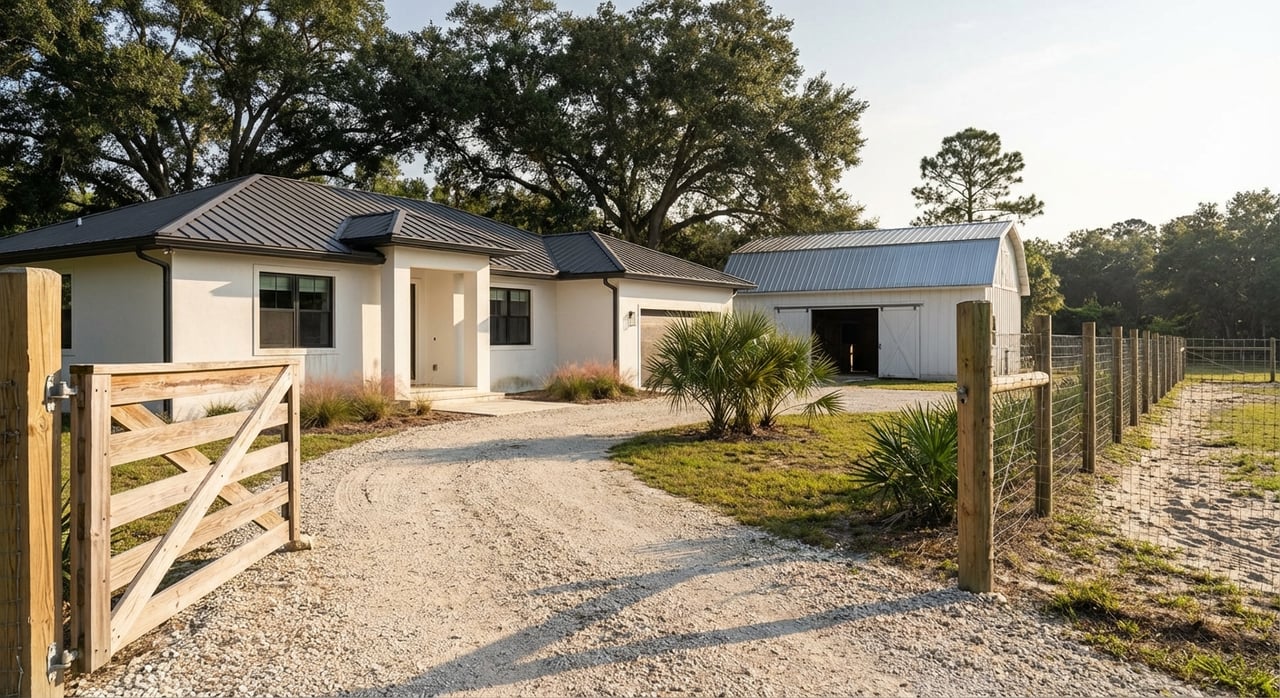
Professionally built, permitted improvements typically deliver a measurable premium. In this market, barns, stables, riding arenas, loafing sheds, covered equipment storage, detached garages or workshops, and well-designed guest suites tend to attract buyers. The big watchout is permitting. Unpermitted structures can reduce value and complicate resale and insurance.
Costs to build and connect utilities on acreage are high. That is why existing, well-sited improvements with proper foundation, drainage, and hookups often pay off. Fenced pastures, cross-fencing, and established arenas add functional value because they save buyers time and site-prep costs. If a property has a qualifying agricultural use, that may influence tax treatment and appeal, but you need to meet the county’s rules and document activity.
Before you invest, confirm what is allowed on your parcel through Palm Beach County zoning and permitting.
In Palm Beach County, hurricane resilience affects both livability and resale. Buyers pay attention to roofs, openings, and structural tie-downs, and many insurers offer mitigation credits when upgrades are documented.
Common value-adding measures include:
To plan upgrades, reference the Florida Building Code. Some owners pursue the IBHS Fortified standard, which provides recognized benchmarks for resilience and may help with insurance conversation; learn more at IBHS Fortified. For consumer guidance on insurance in Florida, visit the Florida Office of Insurance Regulation.
Access and services influence day-to-day use and marketability. Properties on paved, county-maintained roads with shorter drives to major arterials are more appealing to a wider buyer pool. Many parcels rely on well and septic systems rather than municipal utilities. That is not a problem if systems are safe and functioning, but it affects buyer preferences and financing.
Drainage is critical. Parcels that tie into county or SFWMD infrastructure and show reliable drainage during heavy rains are easier to sell. Chronic ponding or a high water table can reduce the buyer pool and increase site-prep costs for arenas, barns, and additions.
Presentation matters on acreage. Well-maintained driveways, thoughtful landscaping, mature trees, clean fencing, and secure gates build confidence. Overgrown lots, deferred maintenance, and a lack of clear fencing raise questions and lower perceived value. Small improvements in visibility, gating, and pasture condition can pay off because they help buyers picture immediate use.
Appraising The Acreage is not a cookie-cutter exercise. Comparable sales are often limited and every parcel is different. Appraisers usually make adjustments for usable land percentage, permitted improvements, canal context, and the age and condition of the main residence.
For larger tracts, there may be a separate analysis of per-acre land value plus improvements. For typical hobby-farm home sites, appraisers focus on single-family use while accounting for outbuildings and site features. Documented hurricane hardening, safe septic and well records, and proof of permits help capture value because they reduce uncertainty.
Common documents that support value:
Use this quick list to prepare your property for market:
If you are investing with resale in mind, focus on improvements that reduce buyer risk and immediate out-of-pocket costs:
Consult county rules before you build using Palm Beach County zoning and permitting. For broader context on rural buyer interests, you can review reports from the National Association of Realtors.
Whether you are evaluating a purchase or sizing up a sale, the right plan starts with facts: usable acreage, canal status, permits, and resilience. Pull the documents, address the easy wins, and price with confidence using the strongest comparables.
If you would like a tailored assessment and a step-by-step plan for selling or buying in Loxahatchee’s Acreage, reach out to Unknown Company to request a Free Home Valuation & Personalized Consultation.
Stay up to date on the latest real estate trends.
Get assistance in determining current property value, crafting a competitive offer, writing and negotiating a contract, and much more. Contact us today.