Picture your week starting with a morning round of golf, an afternoon pickleball match, and dinner with friends on a terrace overlooking the greens. That is the daily rhythm many people love about country‑club living in Boca Raton. If you are thinking about this lifestyle, it pays to understand the amenities, the true cost of membership, and the documents you need to review before you buy. This guide gives you a clear, local overview so you can decide if a Boca club community fits your goals and budget. Let’s dive in.
What country‑club living includes
Boca Raton club communities center your life around sports, wellness, dining, and a built‑in social network. Expect a resort‑style experience with a private neighborhood feel.
- Golf programs with championship courses, practice facilities, and member tournaments. Clubs like Broken Sound detail robust golf and racquets programming on their membership pages.
- Racquets facilities, including large tennis complexes and fast‑growing pickleball offerings. You will often find both indoor and outdoor courts.
- Fitness, spa, and aquatics centers. For example, Boca West outlines fitness and aquatics facilities in its club rules and regulations.
- Multiple dining venues and year‑round social events, from classes and clubs to holiday gatherings. See Broken Sound’s membership overview for typical programming.
- Gated entries and controlled access that contribute to privacy and community operations.
How memberships and fees work
Understanding the membership model is essential. Your total cost usually combines a one‑time payment and ongoing dues, plus HOA fees for the neighborhood.
Equity vs non‑equity
- Equity membership means you contribute capital to a member‑owned club and often have voting rights. Refundability varies by bylaws and can be partial or full. Boca West’s documents explain equity structures and club rules in detail within the rules and regulations.
- Non‑equity membership is a license with a privately owned or operated club. Pricing can be flexible, but you have less control over governance.
Mandatory vs optional membership
Some Boca communities require membership for homeowners. In mandatory communities, fees and transfer rules are part of the purchase process and closing. For instance, Boca West details a joining fee collected at closing in its official joining‑fee notice. Always confirm whether the home you want requires membership, and how payment is handled.
The fee categories to plan for
Budget for three buckets of cost:
- One‑time initiation or capital contribution. These range widely by club and tier. Boca West’s 2023 materials showed a joining fee of 115,000 dollars, which is a helpful example. Always verify current rates with the membership office using the club’s published packet, such as the Boca West joining‑fee notice.
- Recurring dues. Clubs publish annual or monthly schedules by tier. The Polo Club’s dues packet lists tiered social and golf options, along with capital assessments, cart, storage, and locker fees. Review the current Polo Club dues schedule for an example of how billing works.
- HOA or master‑association dues. These are separate from club dues and cover items like landscaping, private roads, or community services. Treat HOA and club dues as additive.
Other common charges include food and beverage minimums, guest fees, event tickets, and seasonal program fees. The Polo Club packet shows how these appear on member statements in practice via the current dues and fees document.
Homes you will find inside clubs
Country‑club communities in Boca Raton offer a wide range of property types:
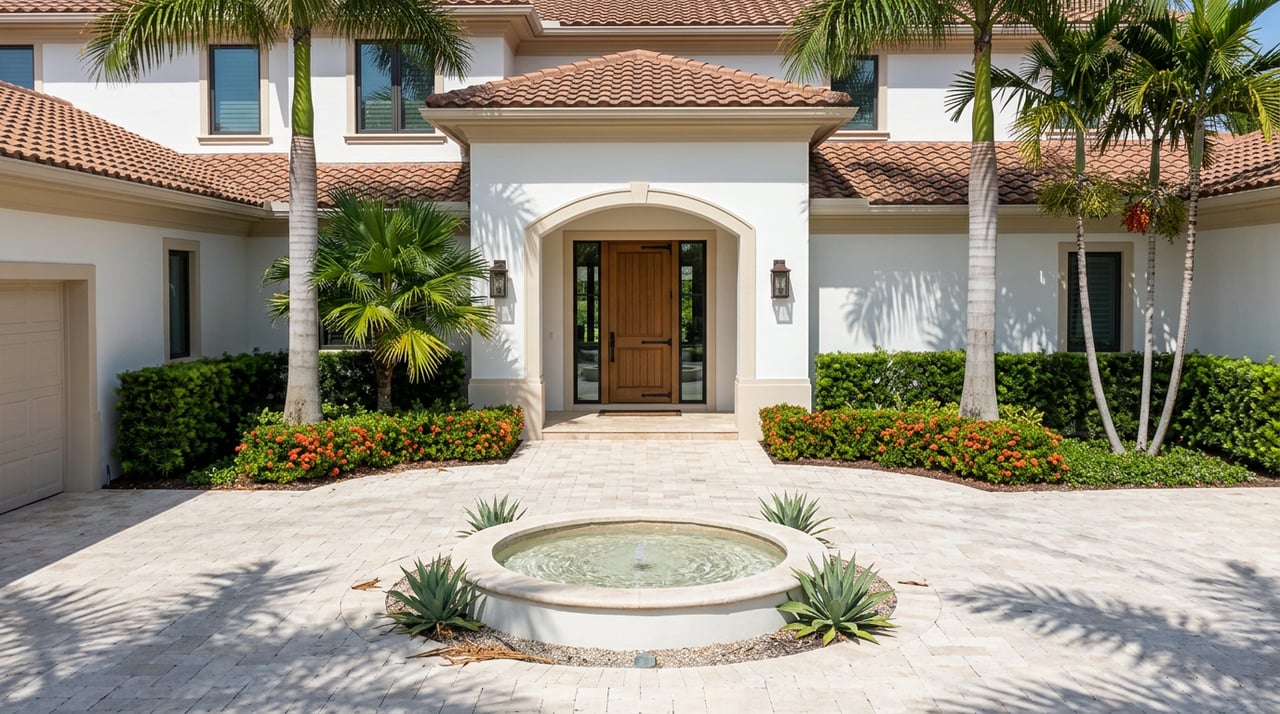
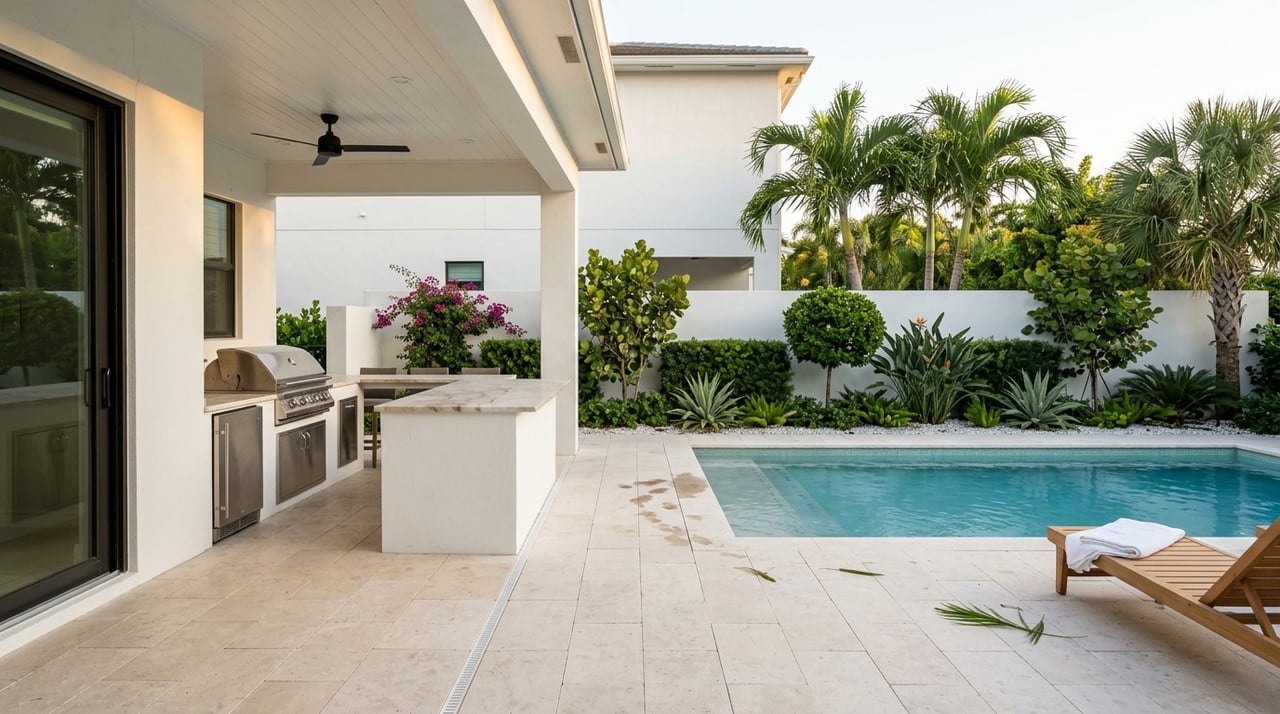
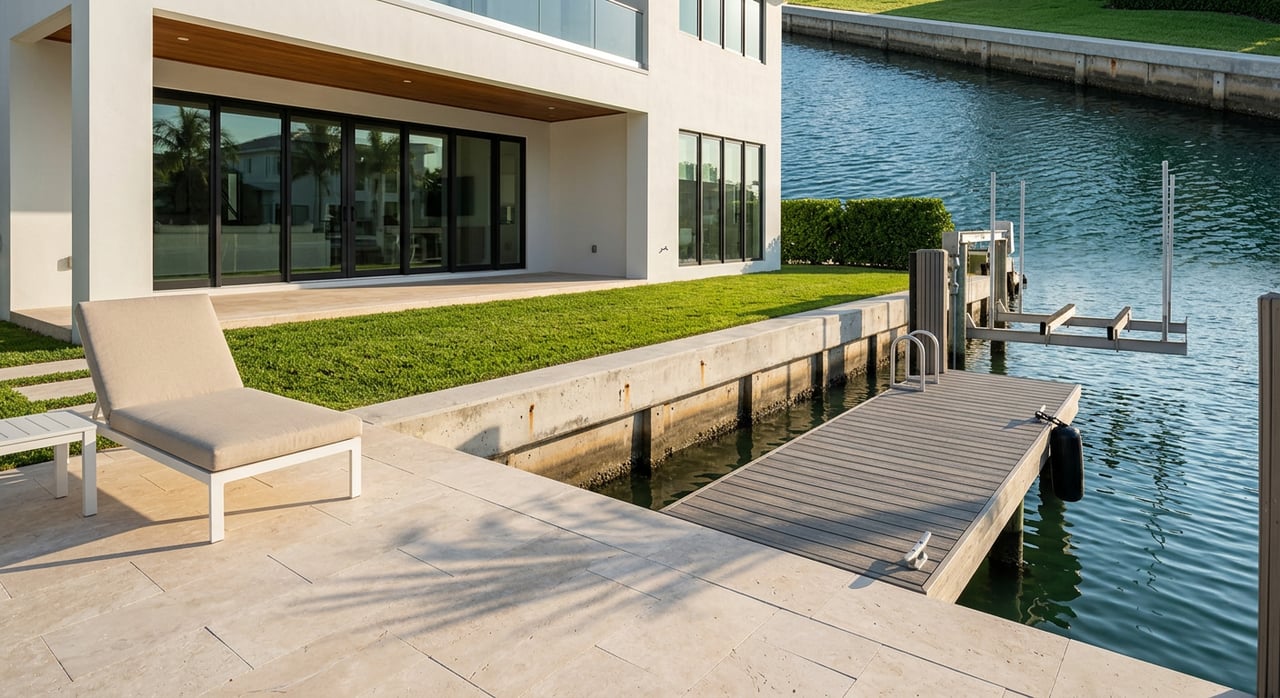
- Single‑family estate homes with golf or water views, often with private pools.
- Villas and carriage homes that provide lower‑maintenance living with more space than a condo.
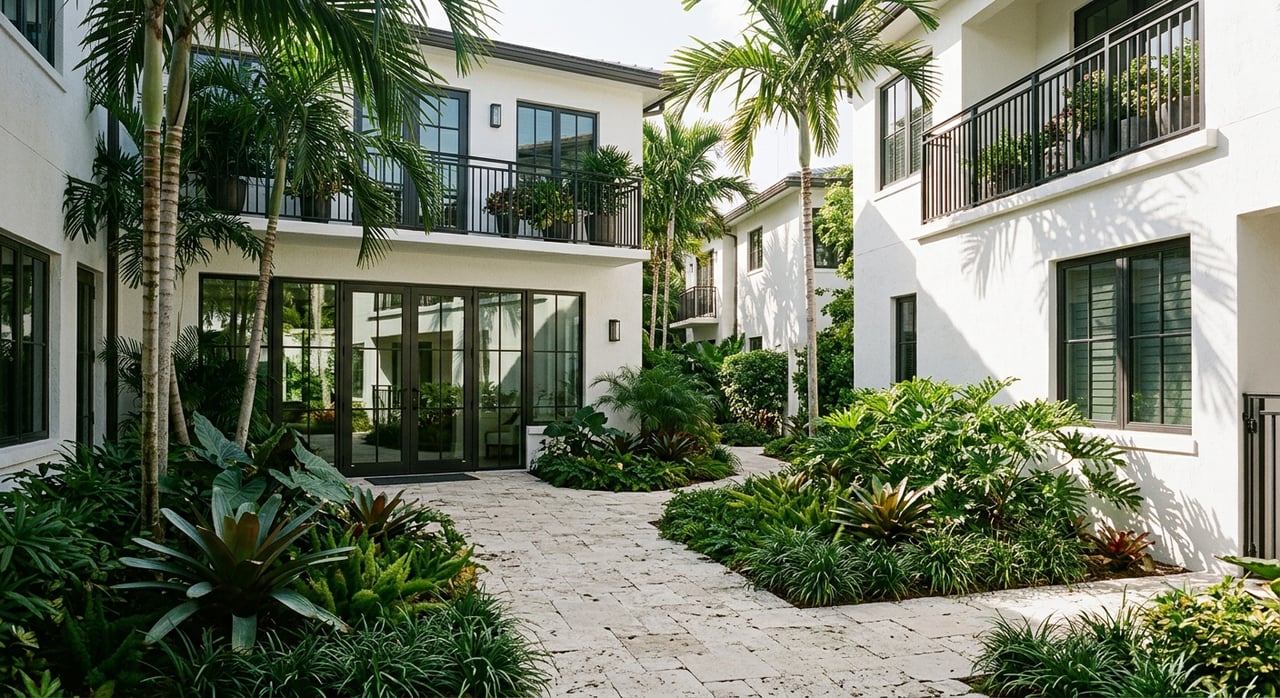
- Low‑ and mid‑rise condos and townhomes inside gated campuses, sometimes with separate HOA rules.
- Custom estates on oversized lots in the most exclusive enclaves.
Product mix varies by club, and pricing often skews above general city medians. Inside a given club, prices can range widely based on location within the community, home size, and level of renovation.
Price context and market reality
Public snapshots often show different city median values, and club neighborhoods commonly sell at a premium to those medians. The smarter way to price is to look at ZIP and MLS‑level metrics for the specific club or neighborhood you are targeting. The Miami Association of Realtors publishes ZIP‑level reports that illustrate these differences across Palm Beach County; review the latest ZIP metrics for single‑family homes and request club‑specific comps before you write an offer.
Due‑diligence checklist for buyers
Use this printable checklist when you tour homes and speak with membership offices. Ask for items in writing and note effective dates.
Documents to request early
- HOA resale or estoppel packet showing current dues, what is included, unpaid assessments, and closing procedures. Florida statute outlines estoppel certificate practices and governing documents for associations; see the relevant Florida statutes.
- Club membership packet with initiation or capital contribution, dues by tier, capital assessments, F&B minimums, and sample monthly statements. Use the Boca West joining‑fee notice and Polo Club dues schedule as examples of what to expect.
- HOA budgets, audited financials if available, and the most recent reserve study. CAI recommends checking whether reserves are fully funded and when the last study was completed. Review CAI’s guide for first‑time HOA buyers.
- Association and club meeting minutes from the last 12 to 24 months, plus any litigation disclosures. Minutes reveal planned projects and member sentiment. See the CAI buyer guide for what to look for.
Questions for the club membership office
- Is membership mandatory for the home I am considering? If yes, is the joining fee collected at closing or invoiced separately? Are payment plans available?
- Is the membership equity or non‑equity? If equity, what portion is refundable, and on what timeline? Ask for the exact bylaw references.
- What are the current dues by tier, capital assessments, cart, storage, and locker fees, and F&B minimums? Request the full schedule in writing with effective dates.
- Are any major capital projects planned? Has the club levied special assessments in the past five years? Ask for a history of recent assessments.
- How many members are there per tier, and are there caps or waiting lists?
- What are the guest and renter policies, and do short‑term rentals have any restrictions on club access?
Questions for the HOA or property manager
- Please provide CC&Rs, bylaws, rules, current budget, year‑to‑date financials, the most recent reserve study, and minutes for the last 12 to 24 months. Is the reserve plan fully funded? See CAI’s HOA buyer guide.
- What is the current delinquency rate, and are there any pending or recent litigation matters that could affect assessments? Florida’s community association statutes outline key disclosures.
- Which services are included in the HOA dues, and which are billed separately?
Red flags to investigate
- Low or no reserves and a pattern of frequent special assessments. Review reserve studies closely with your advisor using CAI’s buyer guidance.
- Mandatory third‑party recreational leases or memberships not clearly documented. These can affect project eligibility for conforming loans; see Fannie Mae project rules summarized in this project‑eligibility overview.
- Missing estoppel certificates or slow response from the association.
- Rapid governance turnover or frequent rule changes noted in minutes.
Financing note to plan around
Lenders count your full projected housing payment in underwriting, including taxes, insurance, and HOA dues. One‑time capital contributions and pending assessments can also affect reserve and debt‑to‑income requirements, so share the club and HOA documents with your lender early. For a refresher on how DTI works, review this debt‑to‑income explainer, and ask your loan officer about any club or recreational lease rules that could impact project approval per this project‑eligibility overview.
Who benefits most
You may get the most value from a club community if you:
- Want a social calendar, group fitness, and organized events steps from home.
- Play golf, tennis, or pickleball regularly and value preferred access.
- Prefer a gated environment with coordinated services and amenities.
- Like lower‑maintenance options such as villas or condos with a campus‑style setup.
Every buyer’s priorities differ. Before committing to a large initiation, ask the membership office about guest access, tours, or limited trials so you can experience the culture firsthand. The programs listed on Broken Sound’s membership page show how clubs often separate social and golf tiers.
Quick club snapshots
- Boca West Country Club. Large, member‑owned community with multiple golf courses, extensive aquatics, and fitness. Mandatory membership; joining fees are collected at closing, as shown in the joining‑fee notice.
- The Polo Club. Two championship courses, racquets, and a major clubhouse complex. The club publishes a detailed tiered dues and fees schedule that is useful for budgeting.
- Broken Sound Club. Private club with multiple course options and a broad sports and dining program, outlined on its membership page.
Your next steps
- Clarify lifestyle needs. List your top five must‑have amenities and preferred membership tier.
- Build a full budget. Include initiation, dues, capital assessments, F&B minimums, and HOA dues.
- Collect documents. Request the club packet, HOA resale or estoppel certificate, budgets, and reserve study.
- Review with your lender. Confirm how dues and any mandatory arrangements affect your loan.
- Tour with purpose. Visit during peak times, sample dining, and talk to members about waitlists and access.
If you want seasoned guidance and a calm, step‑by‑step plan, reach out to Craig Reeves for local insight and a tailored search within Boca’s country‑club communities. Request a Free Home Valuation & Personalized Consultation, and get a clear path from first tour to keys in hand.
FAQs
Are country‑club memberships mandatory when you buy in Boca Raton?
- Some club communities require membership for homeowners, while others make it optional; always confirm with the membership office and review the HOA and club documents.
How much is the joining fee at Boca West?
- Boca West’s 2023 materials cited a 115,000 dollar joining fee collected at closing, but you should verify current figures with the club’s membership office using the published packet.
What do monthly dues cover at The Polo Club?
- The Polo Club’s dues schedule shows tiered social and golf dues plus capital assessments and add‑ons like cart, storage, and locker fees; request the latest schedule in writing.
What documents should I review before buying in a club community?
- Ask for the club membership packet, HOA resale or estoppel certificate, budgets, financials, the latest reserve study, and 12 to 24 months of meeting minutes.
Can I finance the initiation or capital contribution?
- Some clubs offer payment options, but many require the one‑time contribution at or before closing; confirm timing and any plans directly with the membership office.
Do renters get access to club amenities?
- Rental and guest privileges vary by club and tier; request the written renter and guest policy from the membership office before purchasing if you plan to lease.
How do HOA fees differ from club dues?
- HOA dues fund neighborhood operations such as landscaping and roads, while club dues fund amenities and programs; treat them as separate and additive in your budget.