Guide to Downtown West Palm Beach Condos: Costs & Tips
March 5, 2026
March 5, 2026
Thinking about trading longer drives for a walk to dinner, the waterfront, or a show? Downtown West Palm Beach offers a vibrant, car-light lifestyle with culture, dining, and the Intracoastal right at your doorstep. If you are exploring condos here, you will want a clear picture of floorplans, amenities, HOA fees, insurance, and new Florida rules that affect costs and financing. This guide gives you the essentials and a step-by-step checklist so you can shop with confidence. Let’s dive in.
Downtown West Palm Beach centers on the Clematis, Rosemary, and Flagler corridor, known for walkability, restaurants, and the waterfront promenade. The local Downtown Development Authority promotes it as a compact district with culture anchors like the Kravis Center and Norton Museum. You can explore highlights on the official guide to downtown West Palm Beach.
Getting around is straightforward. Brightline’s West Palm Beach station sits in the core on Evernia Street, and Tri-Rail/Amtrak are nearby for regional trips. Local options like trolleys, bike share, and on-demand shuttles help with first and last mile connections. See the city’s getting around resources for details.
You will see a mix of building styles in the core:
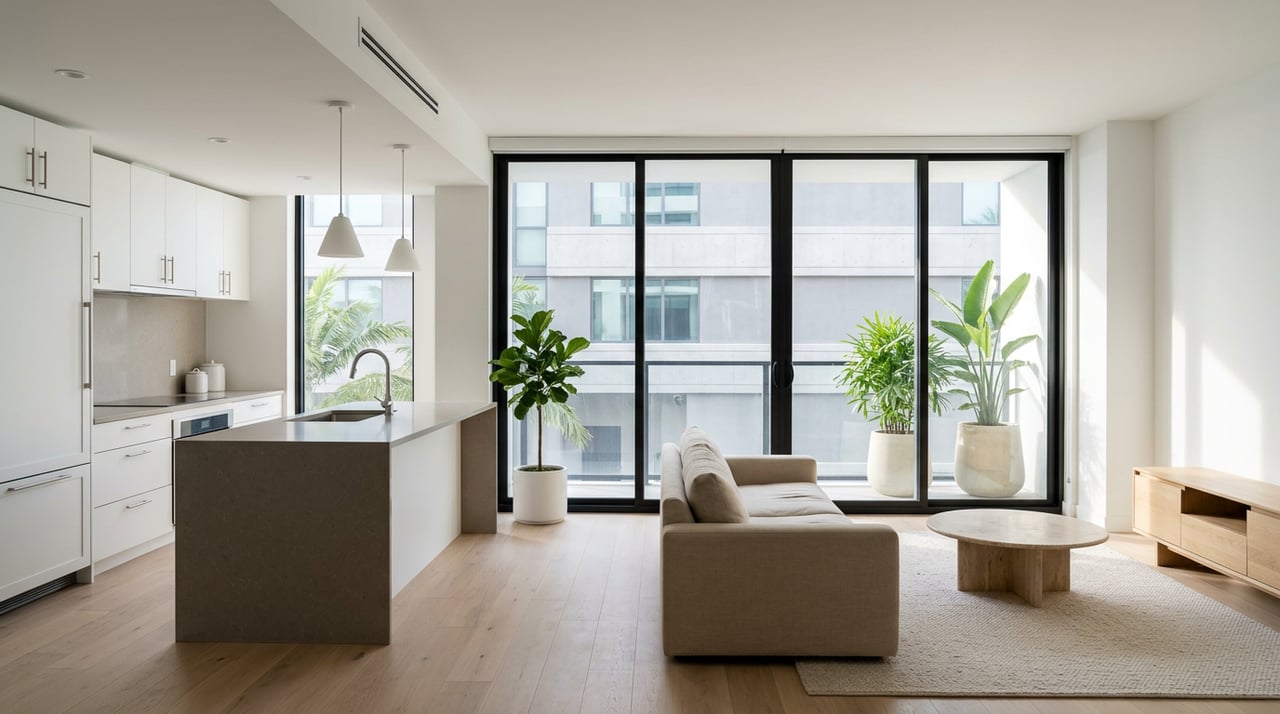
Unit sizes vary by building and vintage. As a general reference, one-bedroom condos in downtown mid-rises are often in the 700 to 1,200 square foot range. Two-bedroom plans tend to run 1,100 to 1,600 square feet or more, with some three-bedroom corners exceeding 2,000 square feet. Newer towers may offer compact one-bed plans and larger two to three bedroom residences and penthouses with premium finishes and pricing.
Common amenities include a staffed lobby or concierge, fitness center, pool and sun deck, social room, secure garage access, package rooms, and bike storage. Some waterfront buildings add marina access and guest suites. Staffing level matters. A 24/7 front desk, valet, and on-site engineering increase operating budgets, which typically shows up in higher monthly assessments.
Parking terms differ by building. You might have deeded spaces, assigned garage parking, or valet-only access. Older buildings may be limited. If you commute by car or own an EV, confirm the number of spaces, guest parking policies, and charger availability before you write an offer.
For a baseline, the 33401 zip code, which covers much of downtown, posted a median sale price around the mid-500s. For example, January 2026 reflected a median of about $540,000. Within the core, smaller or older one-bedroom units often sell in the low to mid six figures. Larger two-bedroom, waterfront, or newer full-amenity towers can reach the mid six to seven figures, with premium waterfront and penthouses in the multi-million range. Always review current MLS data since pricing moves with season and building-specific factors.
When you plan your budget, treat the monthly HOA fee like part of your mortgage. Lenders include the full HOA amount in your debt-to-income ratio, which can affect your approval and price ceiling.
Downtown sits close to the Intracoastal and Lake Worth Lagoon. Flood zones vary by parcel. Some buildings lie in FEMA Special Flood Hazard Areas, which can require flood insurance if you use a federally backed mortgage. The City offers policyholders information on zones and elevation through its flood information portal. Ask for the unit’s FEMA zone, base flood elevation, and any elevation certificate.
Condo insurance is split. Associations typically insure common elements and the building shell through a master policy. Unit owners carry an HO-6 (walls-in) policy, often with loss assessment coverage. Florida master policies can include significant hurricane deductibles, so it is important to understand the master policy deductible and how the association allocates losses. Review the association’s insurance declarations and budget requirements under Florida Statute 718.111.
Florida now requires milestone structural inspections for buildings that are three or more habitable stories, along with Structural Integrity Reserve Studies (SIRS) for many condo buildings. Deadlines depend on building age and local triggers. Older buildings, especially those with a certificate of occupancy before July 1, 1992, faced deadlines in 2024 and 2025. See the state’s milestone statute at Section 553.899.
Why it matters to you:
When you finance a condo, lenders evaluate not just your file but also the entire project. Fannie Mae and other agencies can deem projects ineligible for conforming financing if they show too-high delinquencies, inadequate reserves, major litigation, excessive commercial space, high investor concentration, or unresolved critical repairs. That can narrow the buyer pool and affect pricing.
Every building sets its own rules. Common areas to confirm before you go under contract include:
These rules affect daily life and resale value. Ask for the most recent governing documents and any amendments that change use rights.
Request these items as soon as you enter escrow. Consider sharing them with a condo-savvy attorney or CPA for review.
If you value a walkable lifestyle, quick access to dining and culture, and less time on exterior maintenance, downtown condo living can be a strong fit. Proximity to Brightline, Tri-Rail, and PBI makes travel simple, and amenity decks bring a resort feel home. Explore the downtown vibe through the official neighborhood guide.
Consider tradeoffs versus a suburban single-family home. You have shared walls, less private outdoor space, and HOA dues that can change due to reserve needs and insurance. Urban buildings can carry higher association costs tied to coastal exposure. Buying and financing can also be more complex than a detached home. The key is thorough due diligence.
If downtown West Palm Beach is on your radar, get organized on financing, define your parking and pet needs, and request association documents early. A focused search with a clear checklist will save you time and help you avoid surprises. For tailored guidance and a curated tour of buildings that match your lifestyle, connect with Craig Reeves. We will help you compare buildings, decode HOA documents, and move forward with confidence.
Stay up to date on the latest real estate trends.
Get assistance in determining current property value, crafting a competitive offer, writing and negotiating a contract, and much more. Contact us today.