Is a Port St. Lucie single-family rental a smart move this year? You want clear numbers, practical steps, and fewer surprises after closing. In this guide, you’ll see how to size up prices and rents, run quick cap rate math, check legal and insurance items, and use a simple checklist to make confident offers. Let’s dive in.
Port St. Lucie at a glance
Port St. Lucie is growing fast. The population is estimated around 258,575 as of July 1, 2024, which reflects strong growth since 2020 and steady housing demand from relocators and retirees. You can review the city’s growth data in the U.S. Census QuickFacts for Port St. Lucie for context on demand trends.
- Population and growth: The city’s rising population supports long-term rental demand. Census QuickFacts confirms recent growth.
- Demand drivers: Winter season tends to be busy, and spring training at Clover Park draws additional short-term visitors. For traditional long-term rentals, relocations and master-planned community development matter most.
Prices and rents today
Recent market trackers commonly show median sale prices in the low-to-mid $300,000s to around $400,000, depending on the month and neighborhood snapshot. Citywide rent indices hover in the mid $2,000s per month, while many single-family homes lease in the roughly $2,500 to $3,200 per month range. Always verify bedroom count, community, and condition when you pull comps.
Typical properties and submarkets
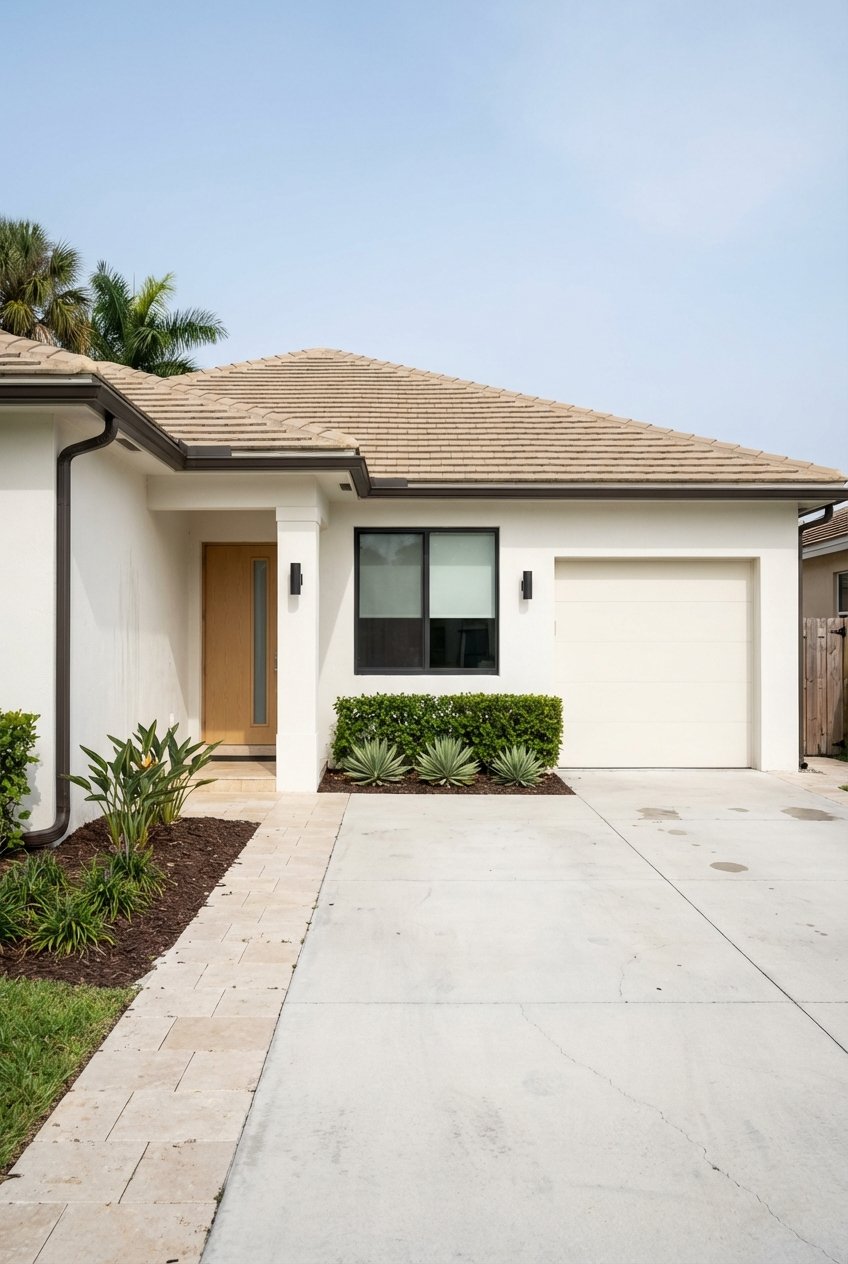
You will see many 3 to 4 bedroom detached homes, including ranch and newer two-story plans. Newer products cluster in master-planned communities like Tradition, Verano, the PGA area, and St. Lucie West. Those areas often have homeowner associations, so you should review rental rules before an offer. Older sections outside the master-planned areas can offer lower prices but may require more capital improvements.
Run the numbers with confidence
Start with simple filters, then build a full pro forma before you write an offer. Clear definitions help you compare opportunities apples to apples.
Quick screen metrics explained
- Gross rent multiplier (GRM): Purchase price divided by annual gross rent. It is a fast filter, but it ignores expenses. See a plain-English overview of GRM and valuation basics on Investopedia.
- Cap rate: Net operating income divided by purchase price. NOI is gross rent minus operating expenses, excluding the mortgage. Use cap rate for a sharper comparison across properties.
- 50 percent rule: As an early screen, many investors assume operating expenses at roughly 50 percent of gross rent, then refine with line items. Learn how this rule of thumb is applied in real-world underwriting on BiggerPockets.
Sample back-of-the-napkin math
Let’s say a home is $400,000 and rents for $3,000 per month. Annual gross rent is $36,000, which is a 9 percent gross yield. Using the 50 percent rule, estimated expenses would be $18,000, leaving an NOI of $18,000. That implies about a 4.5 percent cap rate. With financing, your cash-on-cash return will depend on the down payment, rate, insurance, and taxes. Always replace rules of thumb with real quotes for insurance, taxes, and management before you make an offer.
Expense lines to budget in PSL
- Property taxes: Check the parcel’s TRIM notice for assessed value, millage, and special districts. Millage policy affects real tax bills, so review city and county context and verify the last two tax bills. The city has published updates on millage trends, which shape expectations for future tax costs. See a recent city note on millage policy.
- Insurance: Budget for homeowner insurance, wind or hurricane coverage, and flood if required. Ask for wind mitigation credits and confirm deductibles. Port St. Lucie participates in the NFIP Community Rating System, which can affect flood premiums. Review the city’s flood and insurance resources to plan realistic costs. Explore flood mitigation and insurance basics.
- HOA fees and rules: If the home sits in an HOA, pull the governing docs and estoppel. Florida law clarifies how rental restrictions apply, including exceptions for minimum lease terms and frequency limits. Read the state’s HOA statute for context. Florida Statutes, Chapter 720.306.
- Property management: For long-term rentals, quotes often fall in the single to low-teens percent of collected rent. Short-term managers typically charge more due to turnover and guest services. Get written scopes and compare what is included.
- Maintenance, vacancy, and reserves: Budget for routine repairs, one to two months of vacancy per year until you know local performance, and a capital reserve for roof, HVAC, and systems based on the home’s age.
Legal and compliance must-knows
- Landlord-tenant rules: Residential tenancies in Florida are governed by the Florida Residential Landlord and Tenant Act. It sets notice periods, deposit rules, maintenance duties, and the summary eviction process. Read the statute and consult local counsel for timelines and forms. Florida Statutes, Chapter 83.
- HOA rental restrictions: Florida law limits retroactive application of new rental restrictions for HOAs, with specific exceptions. Minimum lease terms and limits on the number of rentals per year can still apply to all owners. Always verify the most recent amendments and meeting minutes. Florida Statutes, Chapter 720.306.
- Local business tax receipts: Confirm whether your rental activity requires a City business tax receipt, and verify any county transient rental tax rules if you consider short-term rentals. Start with the City of Port St. Lucie’s business tax page to understand requirements. City of Port St. Lucie business tax.
- Floodplain and wind exposure: Check FEMA flood maps early and get premium indications before you finalize terms. Many policies have waiting periods, and wind deductibles can be high in coastal states. Review the city’s flood and insurance guidance.
Short-term vs. long-term rentals
Short-term rentals benefit from winter seasonality and event traffic, but they face higher management costs and tighter HOA and tax rules. Some associations restrict leases under six months or cap the number of leases per year. Long-term rentals usually offer steadier occupancy and simpler operations, with management fees that are typically lower than short-term. Match your strategy to the property, HOA rules, and your appetite for turnover.
Your Port St. Lucie SFR checklist
Use this as a pre-offer roadmap. Make your offer contingent on clean answers.
Property and condition
- Verify list price against 30, 60, and 90-day sold comps in the same subdivision. Note trend direction.
- Check roof, HVAC, water heater, electrical, plumbing, and any termite history. Map immediate and 3-year capital needs.
- Research open permits, code violations, and seller disclosures. Contact code enforcement if needed.
Income and rents
- If tenant occupied, request the full rent roll, the last 12 months of collected rent, and lease expirations.
- Pull comparable active listings and recent leased rents for the same bedroom count and neighborhood. Adjust for condition and amenities.
Taxes, insurance, and zoning
- Get the parcel’s current TRIM notice, assessed value, and millage details. Compare the last two tax bills.
- Confirm FEMA flood zone and obtain flood and wind premium indications. Ask about wind mitigation credits.
- If there is an HOA or planned development, request the estoppel, bylaws, amendments, and recent meeting minutes. Confirm rental limits and approval requirements. Start with the state HOA statute for background on enforceability. Florida Statutes, Chapter 720.306
Operational and legal
- Confirm if a City business tax receipt or any county registration is required for your rental strategy. City business tax overview
- For tenant-occupied purchases, collect leases, deposit records, tenant contacts, and payment proof.
- Get two property management proposals with written scopes, fees, vacancy assumptions, and vendor policies.
Underwriting and financing
- Speak with a lender about down payment, reserves, and how rental income is underwritten for non-owner occupied loans.
- Build a 12 to 24-month cash-flow model that includes mortgage, taxes, insurance, management, maintenance, vacancy, and capital reserves. Add a stress case with 10 to 20 percent lower rent and a major repair.
- Use quick filters to screen, then rely on NOI-based cap rate for final pricing. See GRM and valuation basics on Investopedia, and apply the 50 percent rule carefully as a starting point via BiggerPockets.
Offer contingencies and timeline
- Inspection and contractor estimates for all required repairs.
- Verified rent comps and, if applicable, rent roll validation.
- Insurance quotes for wind and flood at acceptable deductibles and premiums.
- HOA estoppel confirming fees, assessments, and rental permissions.
- Lender preapproval and appraisal or financing contingency as needed.
Move forward with a trusted local advisor
If you want a clear, step-by-step path to a Port St. Lucie rental, lean on an experienced South Florida team that understands underwriting, HOA rules, and the local vendor network. We can help you align price, rent, and risk, then coordinate the right inspections, insurance quotes, and management introductions so you close with confidence. Ready to evaluate your options and set a plan that fits your goals? Connect with Craig Reeves for a focused consultation.
FAQs
What are typical single-family rents in Port St. Lucie?
- Citywide rent indices are in the mid $2,000s per month, while many single-family homes lease around $2,500 to $3,200 depending on bedroom count, location, and condition; verify with current comps before you offer.
How do HOA rules affect a Port St. Lucie rental purchase?
- Associations may set minimum lease terms and cap rental frequency; Florida law defines how new restrictions apply to owners. Always review the estoppel and governing documents and see Florida Statutes 720.306 for background.
What insurance should I budget for a Port St. Lucie rental home?
- Expect homeowner coverage plus wind or hurricane and, where required, flood insurance. Check FEMA flood zones and get quotes early; the city’s flood and insurance page explains key factors.
Do I need a license or registration to operate a rental in Port St. Lucie?
- The City requires business tax receipts for many activities; confirm whether your rental strategy needs one and review any transient tax rules if you pursue short-term rentals. Start with the City business tax overview.
How do I estimate cap rate quickly on a Port St. Lucie rental?
- Divide estimated NOI by purchase price after you subtract realistic expenses; use GRM only for first-pass screening. See GRM basics on Investopedia and the 50 percent screening rule on BiggerPockets.