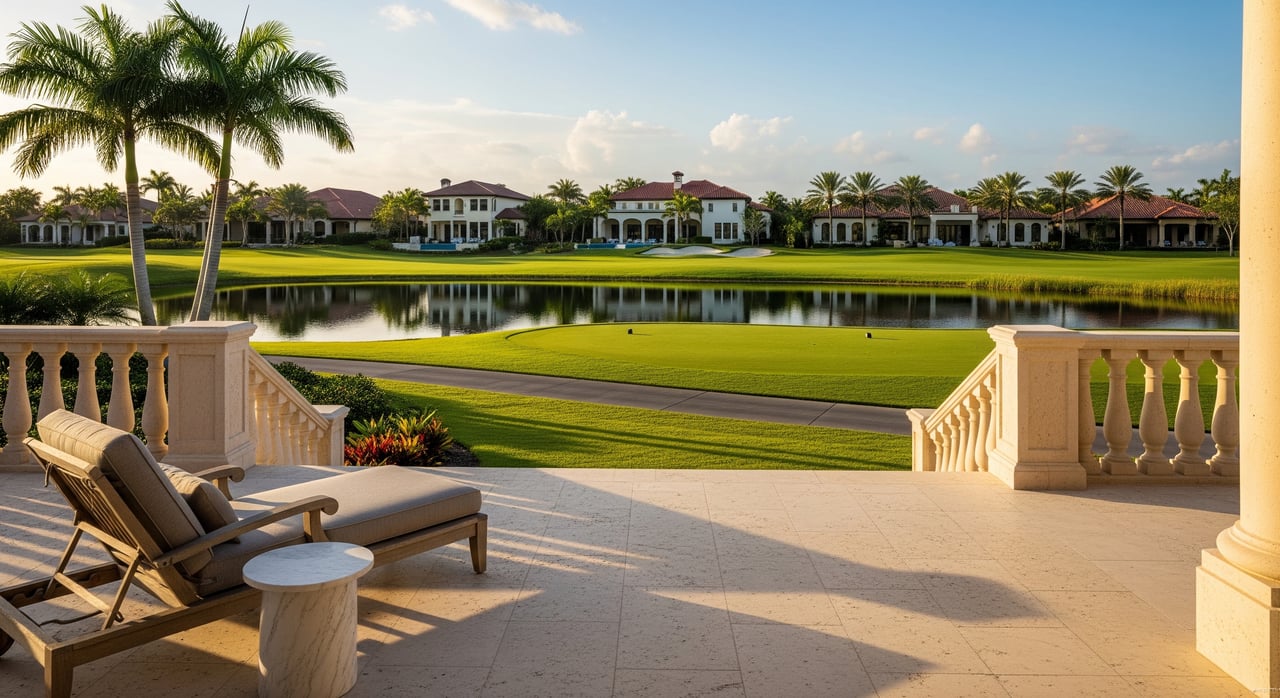
Imagine locking your door, heading to the beach, and knowing the exterior, roof, landscaping, and pool are all handled. If you want a low‑maintenance home base near the water, Tequesta’s condos and townhomes deliver. Whether you are downsizing, splitting time as a snowbird, or just want turnkey living, this guide shows you exactly what to look for, what fees usually cover, and the must‑check documents that protect your budget. You will also see how to compare amenity packages and run the right lender and flood checks for coastal Florida. Let’s dive in.
Why Tequesta suits low‑maintenance living
You get a compact coastal village feel with easy access to shops, parks, and services. The Village of Tequesta highlights local services, recreation, and safety resources that make daily life simple and convenient for residents. You are also close to care at regional providers like Jupiter Medical Center.
- Explore local services and resident resources on the Village site for context on day‑to‑day living.
- Proximity to healthcare is a plus for many downsizers and seasonal residents. Review regional care options at Jupiter Medical Center.
Village of Tequesta resident resources
Jupiter Medical Center
What you will find in Tequesta condos and townhomes
You will see three main options as you tour. Your pick comes down to views, amenities, and monthly fees.
Waterfront mid and high‑rise condos
These buildings line the Intracoastal and often include 1 to 3 bedrooms with many 2 and 3 bedroom layouts in the 1,000 to 1,900+ square foot range. A well‑known example is Sandpointe Bay, which showcases the classic full‑service experience with a pool overlooking the Intracoastal, day dock, fitness, and courts. Expect higher monthly dues in exchange for those amenities and building services.
Intracoastal low‑rise buildings
Communities like 100 and 300 Intracoastal Place (often called Broadview) offer multi‑story buildings with elevator access, many enclosed patios, and common 2 bed, 2 bath floor plans around 1,200 to 1,350 square feet. These are strong fits if you want water views with a smaller footprint and a quieter building setting.
Townhome and garden‑style communities
Tequesta Hills, Tequesta Trace, and Lighthouse Cove offer two‑story townhomes or low‑rise condo buildings with many options in the 1,000 to 1,700 square foot range. These communities often carry lower HOA dues, include ground‑floor or first‑floor choices, and feel more neighborhood‑oriented. They are great if you want lower monthly fees and on‑grade living.
Amenities vs. fees: how to compare
You are paying for convenience and care of common areas. Your job is to match the package to how you actually live.
- Full‑service waterfront: pool on the Intracoastal, day dock or kayak storage, fitness center, sauna, and sport courts. Best if you will use the on‑site recreation and accept higher dues for turnkey living.
- Resort‑style community: clubhouse, large pool, gym, and a social calendar. A good match for active downsizers and seasonal residents who want community events.
- Lower‑fare townhome complexes: basic pool and small clubhouse. Fewer bells and whistles, often lower monthly dues.
What HOA fees usually cover in Florida condos and townhomes: building envelope and common‑area maintenance, master (building) insurance, landscaping, pool and clubhouse upkeep, common utilities (often water and trash), management, and reserves. What is included varies by community, so always confirm utilities, cable or internet, and any special assessments on the horizon. For a quick primer on typical coverage, see this consumer explainer on HOA fees.
What condo and HOA fees often cover
Your four‑point comparison checklist
Use this simple matrix for every community you tour. It explains most differences in cost and convenience.
- Exterior responsibilities: Which items are the HOA’s job versus yours (roof, windows, painting, seawall)?
- Utilities included: Water, trash, basic cable, internet, pest control, or none?
- Parking and storage: Assigned or deeded parking, guest parking rules, on‑site storage or bike/kayak rooms?
- Management and guest options: On‑site manager, concierge or package handling, and any guest suites?
Must‑have association documents before you offer
Request the full HOA or condo packet early. In Florida, these items help you understand operating health, reserves, and any repair or insurance risks. The Division of Condominiums within the Department of Business and Professional Regulation (DBPR) provides helpful consumer guidance.
- Budget and current operating budget. Shows what your assessments pay for and if increases are planned.
- Reserve studies, plus the Structural Integrity Reserve Study (SIRS) and milestone inspection reports for buildings with 3 or more habitable stories. These structural reserves are now statutory and non‑waivable. If a required SIRS is missing or incomplete, treat that as a red flag and request timelines and cost plans from the board.
- Master insurance declaration page. Confirm coverage types, limits, and especially the wind or hurricane deductible. Ask if any flood coverage exists at the association level and what your unit‑owner policy must cover.
- Meeting minutes for the past 12 to 24 months and any board resolutions. Watch for repeated contract changes, emergency meetings, or special assessments.
- Delinquent assessment and litigation reports. High delinquencies or active litigation can affect financing and future fees.
- Rental and occupancy rules. If you plan to rent seasonally, confirm minimum lease lengths and any registration or insurance requirements.
- Reserve funding schedules and recent capital projects with bids. Look for pending roof, elevator, concrete, or seawall work.
Learn more about SIRS, milestone inspections, and buyer information on the DBPR site.
Florida DBPR condo resources and FAQs
For a refresher on what master policies cover versus owner policies, this plain‑English guide is helpful.
Master insurance vs owner coverage basics
Red flags to pause on
- Missing or overdue SIRS in buildings that require them.
- Large or multiple recent special assessments.
- Operating deficits or chronically underfunded reserves.
- Inconclusive milestone inspections or deferred concrete repair plans.
- Master insurance gaps or very high wind deductibles that shift storm costs to owners.
- Hints the project is non‑warrantable for conventional loans.
Financing checks to run early
Condo financing depends on the building’s eligibility. Ask your lender to review project status before you fall in love with a unit.
- Conventional loans: Have your lender check project eligibility and “warrantability” using Fannie Mae’s Condo Project Manager or the lender’s internal tools. If a project is ineligible, you may need a portfolio loan or larger down payment.
- FHA/VA loans: Confirm whether the condo is approved by HUD or VA, or whether a single‑unit approval is feasible.
- Watch the details: Lenders often review owner‑occupancy levels, delinquency rates, reserves, and any special assessments. These items can derail a loan late if you do not verify them early.
Fannie Mae Condo Project Manager overview
Industry summary on condo project status checks
Coastal risk, flood zones, and insurance
For any coastal property, flood and wind are part of the cost picture.
- Pull the FEMA Flood Insurance Rate Map (FIRM) for the property address using the FEMA Map Service Center. If the property is in an AE or VE zone, request the building’s elevation certificate. Lenders usually require flood insurance if a mortgage is involved.
- Confirm the association’s master policy wind coverage and deductibles. A large wind deductible can increase your out‑of‑pocket after a storm.
- Ask for an HO‑6 quote for the unit interior and liability so you can see your full monthly cost combined with the association’s policy.
How to find flood maps and FIRMettes
What HOA fees and insurance typically cover
What to look for on tours
If you are downsizing
- Single‑level or elevator access, step‑free entries, and good closet space.
- Confirm who maintains the roof, exterior, and windows.
- Check proximity to groceries, pharmacies, and medical services.
If you are a snowbird
- On‑site or concierge management, plus package handling or key‑holder services.
- Guest suite availability for visitors.
- Seasonal rental rules, including minimum lease terms and registration.
If you are a busy professional
- Reliable internet options and any bulk cable or internet included in dues.
- Guest parking and elevator wait times during peak hours.
- Secure package delivery and on‑site maintenance for quick fixes.
In‑unit and building basics for everyone
- Impact windows and doors.
- Age and condition of HVAC and water heater, with receipts if available.
- Any recent exterior work, such as roof or elevator repairs.
- Permit status for balcony or patio enclosures.
- Recent engineering reports, including SIRS or milestone inspections for eligible buildings.
Tequesta tour candidates to start with
Availability changes daily, but these communities will help you frame your options as you begin.
- Sandpointe Bay: Full‑service Intracoastal living with a pool overlooking the water, a day dock, fitness, and sport courts. A prime example of turnkey waterfront convenience.
- 100 and 300 Intracoastal Place (Broadview): Classic low‑rise buildings with broad Intracoastal views and many 2 bed, 2 bath single‑level floor plans. A solid fit for downsizers who want elevator access and water views.
- Lighthouse Cove: Garden‑style condos with a clubhouse, pool, and fitness options. Often a more budget‑friendly way to enjoy resort‑style amenities.
- Tequesta Hills and Tequesta Trace: Townhome and garden‑style neighborhoods with ground‑level options and typically lower monthly assessments.
Do not skip these two coastal checks
SIRS and flood are deal‑makers in coastal Florida. Use this mini‑checklist before you write an offer.
- If the building is 3 or more stories: ask for the SIRS and any milestone inspection reports, plus funding plans for any recommended work.
- Pull a FEMA FIRM for the address and request the elevation certificate if in AE or VE zones. Price a flood policy with your lender or insurance agent.
Useful links: DBPR condo resources and FEMA flood map how‑to
Quick next‑steps checklist
- Ask for the HOA packet before or during first tours: budget, reserves/SIRS, insurance dec page, minutes, litigation summary, and rental rules.
- Have your lender run a condo project eligibility check and review any special assessments early.
- Pull a FEMA FIRMette for the address and request an elevation certificate if needed.
- Confirm master insurance limits and wind deductibles, then price an HO‑6 policy to understand your total monthly cost.
- On your first visit, verify impact glazing, HVAC and water heater ages, storage, and parking arrangements.
- For 3+ story buildings, confirm SIRS and milestone reports are complete and read the repair scope and funding plan.
Ready to explore specific units that match your wish list and budget? Reach out for a tailored tour plan and side‑by‑side fee comparison. Work with a local, broker‑backed guide who will surface the right documents early and help you buy with confidence. Connect with Craig Reeves to get started.
FAQs
What do HOA fees usually cover in Tequesta condos?
- Fees typically cover building envelope and common‑area maintenance, master insurance, landscaping, pool and clubhouse upkeep, management, and reserves. Utilities like water or basic cable may be included, but it varies by community.
How do SIRS and milestone inspections affect a Tequesta condo purchase?
- For buildings with 3 or more habitable stories, associations must complete a Structural Integrity Reserve Study and any required milestone inspections. These reports reveal future repair needs and funding plans, which can impact dues and special assessments.
How do flood zones impact insurance and loans for Tequesta condos?
- If a property sits in an AE or VE flood zone, lenders usually require flood insurance. Request the building’s elevation certificate and price a policy so you understand your total monthly cost before you offer.
What makes a condo project non‑warrantable, and why does it matter?
- High delinquency rates, low reserves, heavy investor concentration, or major pending repairs can make a project ineligible for standard conventional loans. If that happens, you may need different financing or a larger down payment.
Can I rent my Tequesta condo seasonally?
- It depends on the association. Review the rental policy for minimum lease periods, caps, and any registration or insurance requirements before you buy.