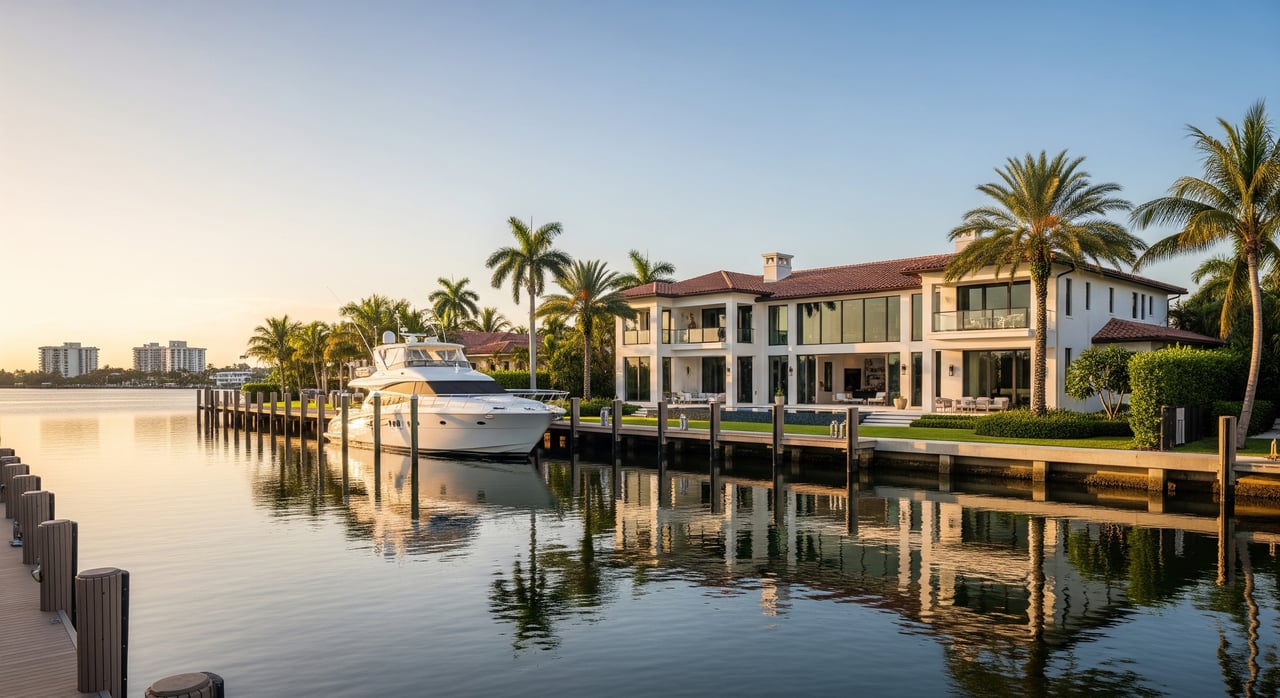
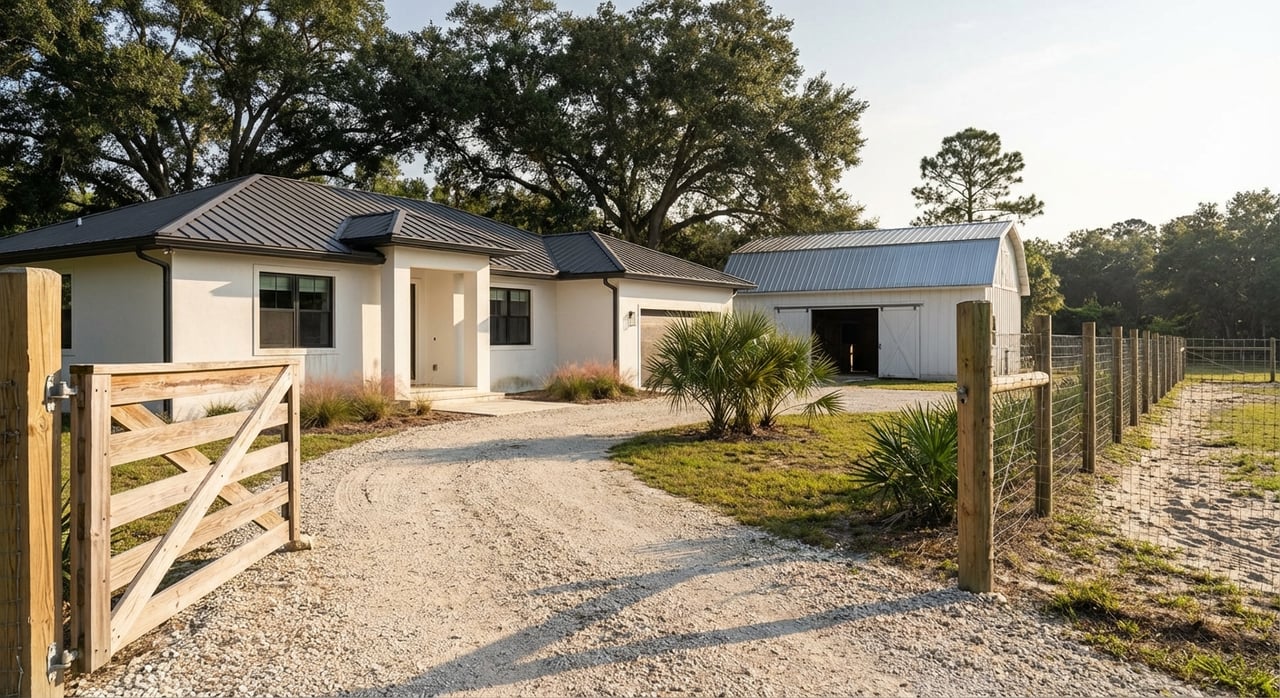
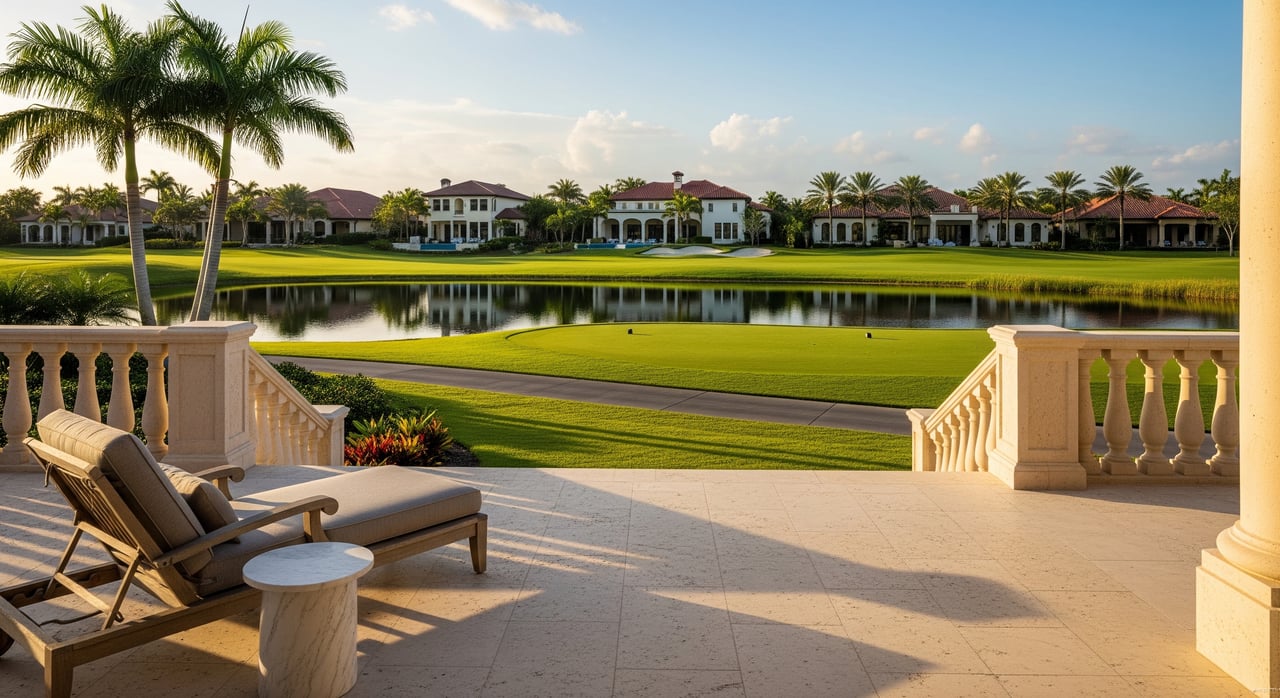
Imagine waking up to a pink sunrise over the water, then taking your boat out for lunch along the Intracoastal. If you are drawn to the coastal lifestyle, Jupiter offers a range of waterfront experiences, each with its own rhythm, views, and responsibilities. Choosing the right fit is about more than a pretty view. It is about boat access, insurance, construction quality, and neighborhood feel. This guide breaks down waterfront types, neighborhood categories, home styles, and the key questions to ask before you buy. Let’s dive in.
What “waterfront” means in Jupiter
Not all water access is the same. The type of frontage you choose affects your daily routine, maintenance, and long-term costs.
- Oceanfront or beachfront. Direct Atlantic access with sand and surf. Expect the highest exposure to storms and salt, stronger maintenance needs, and lighting rules during sea turtle season. Ideal if you want beach life and sweeping views more than private dockage.
- Inlet or ocean-access near Jupiter Inlet. Faster access to the ocean with potential deep-water dockage. Currents and shoaling can impact navigation and may require dredging. Good for serious boaters who value time to the Atlantic.
- Intracoastal Waterway homes. Protected waters for cruising, paddleboarding, and fishing. Boat size may be limited by channel depth and bridge clearances. A practical choice for active boaters who prefer calmer water.
- Canal-front properties. Quieter water, private docks, and typically lower wave action than open water. Narrow canals and dredging histories matter for maneuvering and maintenance.
- Riverfront and marsh-front on the Loxahatchee. Scenic, nature-forward living with paddling and fishing. Some shallow or sensitive areas have access or modification limits.
- Near-water homes. Walk or bike to the beach or Intracoastal without owning a dock. Lower purchase and maintenance costs, but you rely on marinas or public ramps.
Neighborhood snapshots
Oceanfront barrier communities
If you want the beach as your backyard, look at Jupiter Island and Jupiter Inlet Colony. Expect estate lots, architect-designed homes, and rules that protect dunes and sea turtles. Lighting is regulated during nesting season, and coastal setbacks guide what you can build or repair.
Gated yacht communities with marina access
Admirals Cove is a standout for boaters who want a full-service environment. You will find marina and yacht facilities, golf, and robust HOA-managed amenities. Many homes feature private or community slips and security in a planned setting.
Intracoastal and canal neighborhoods
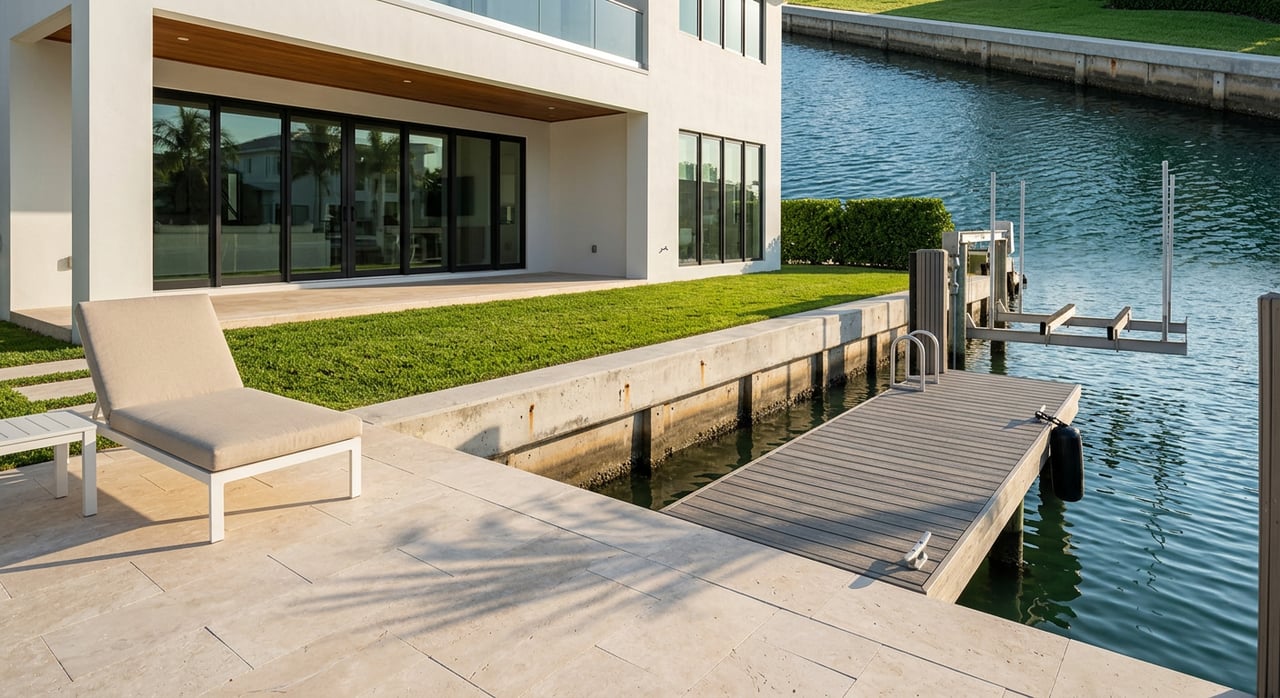
Along the Intracoastal you will see a mix of single-family homes and small condo buildings with seawalls and docks. Some streets feature renovated mid-century homes next to new elevated builds. Canal-front pockets often provide a more approachable entry point to private dock ownership.
Riverfront along the Loxahatchee
Homes on the river and its tidal tributaries trade open-water energy for a quieter, natural setting. You get paddling, birding, and scenic views. Conservation-minded rules and shallow areas can influence dock design, boat size, and modifications.
Near-water communities
If you like beach and marina access but prefer lower insurance and upkeep, consider neighborhoods within a short walk or drive to the coast. Buyers often prioritize everyday convenience to dining, shopping, and parks in central Jupiter while skipping the maintenance of a seawall or dock.
Home styles you will see
Waterfront architecture in Jupiter blends form and function. You will find:
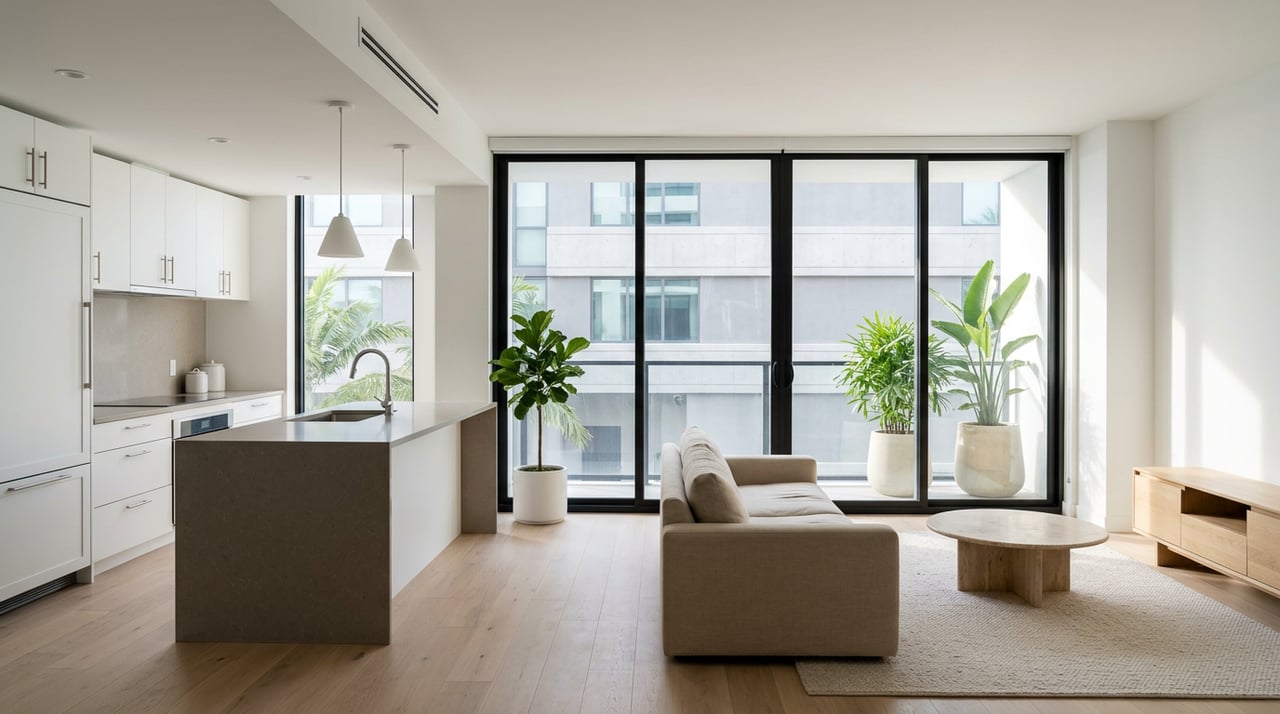
- Coastal contemporary and modern. Open plans, large windows, and rooftop or terrace spaces to capture views.
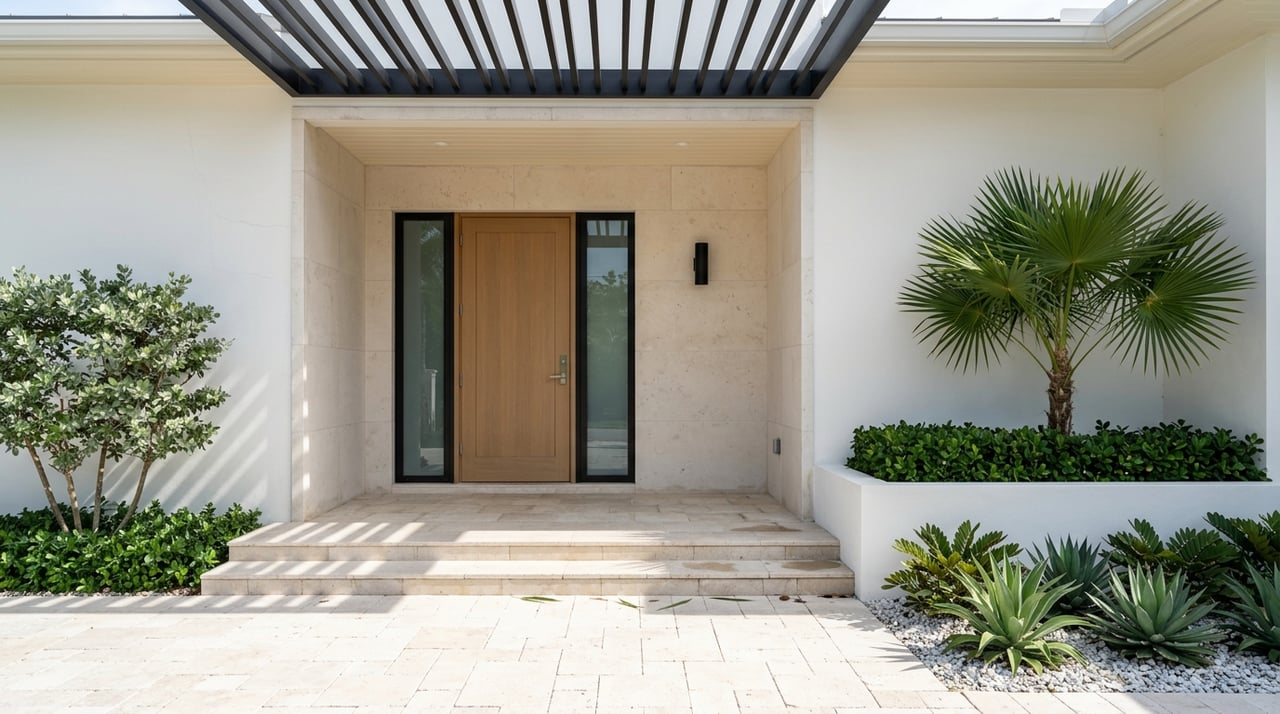
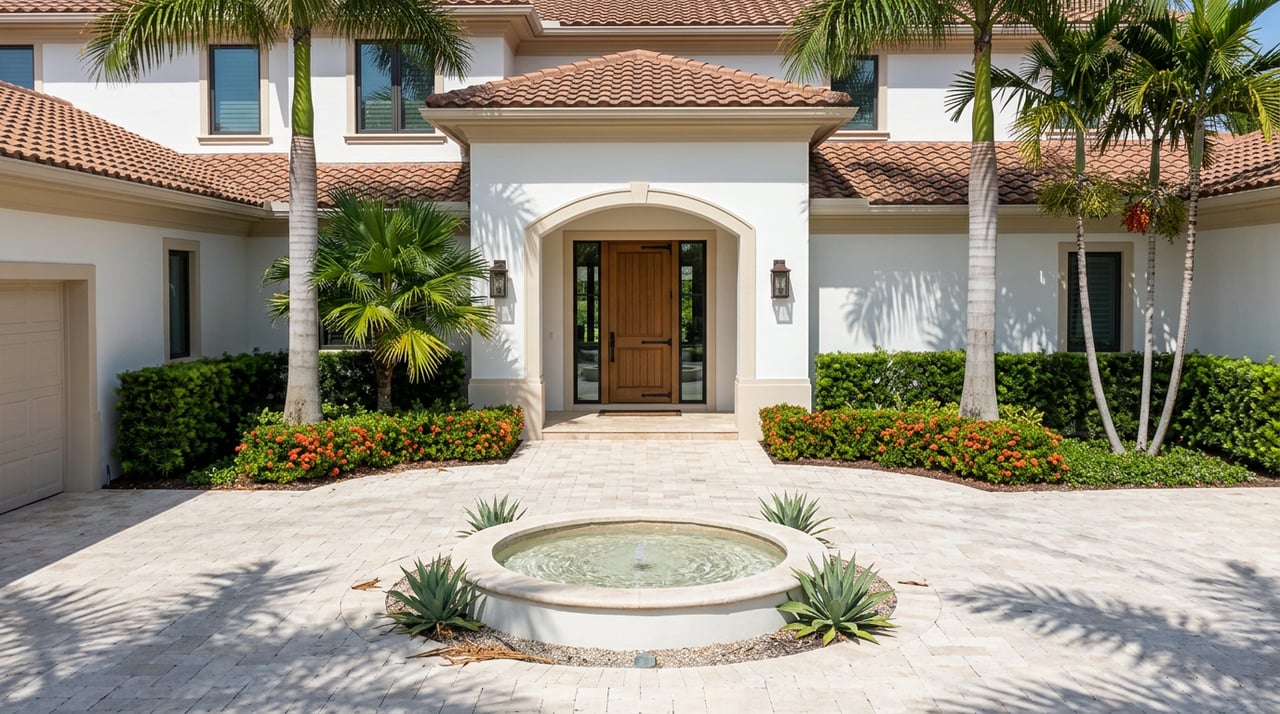
- Mediterranean and Spanish-inspired estates. Stucco, arched entries, and tile roofs common in luxury builds.
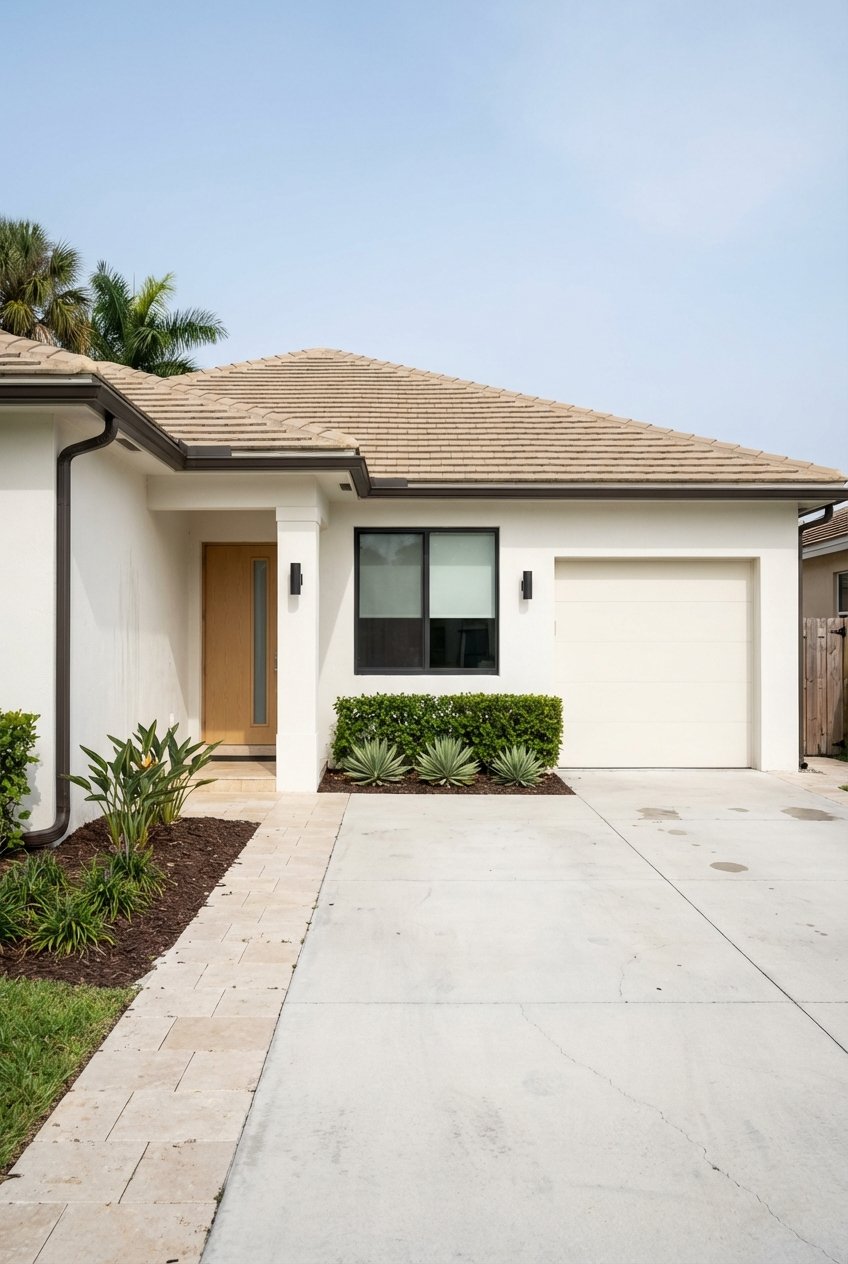
- Coastal cottages and bungalows. Smaller footprints and a relaxed feel, often on canals or near-water streets.
- Elevated construction. Many homes are raised to meet base flood elevation and Florida Building Code requirements. Mechanical systems are often placed above flood levels.
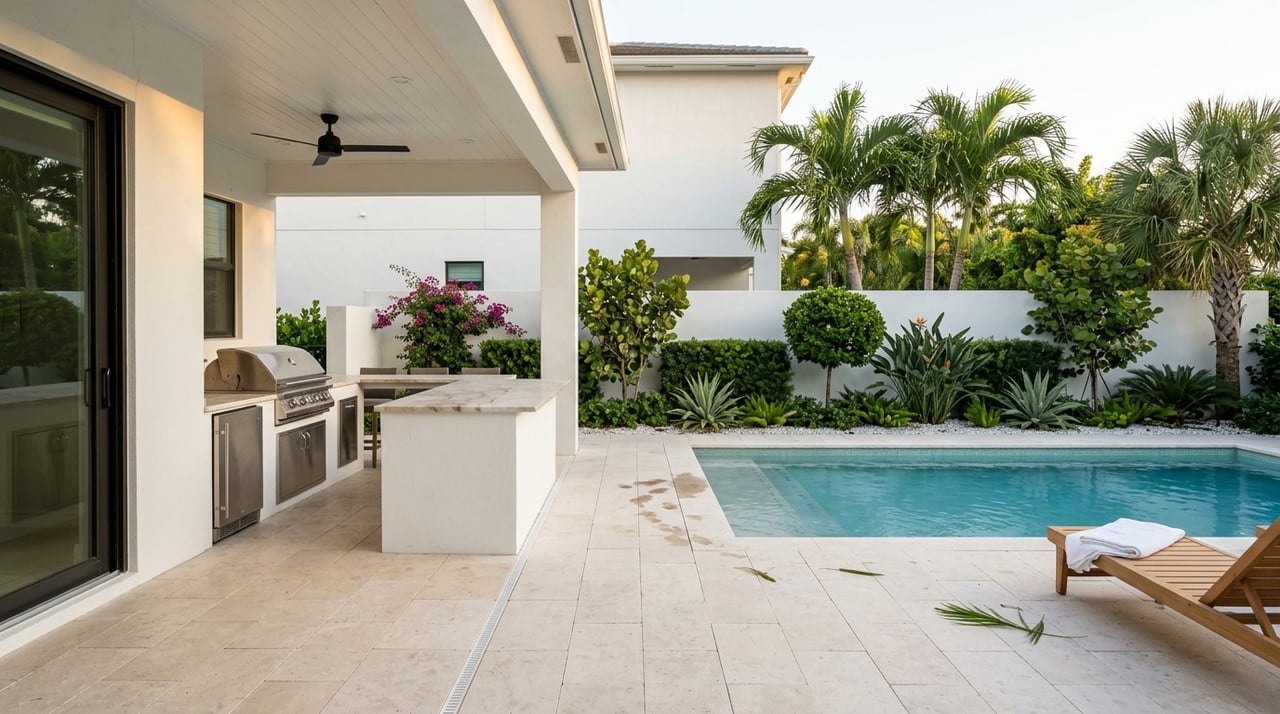
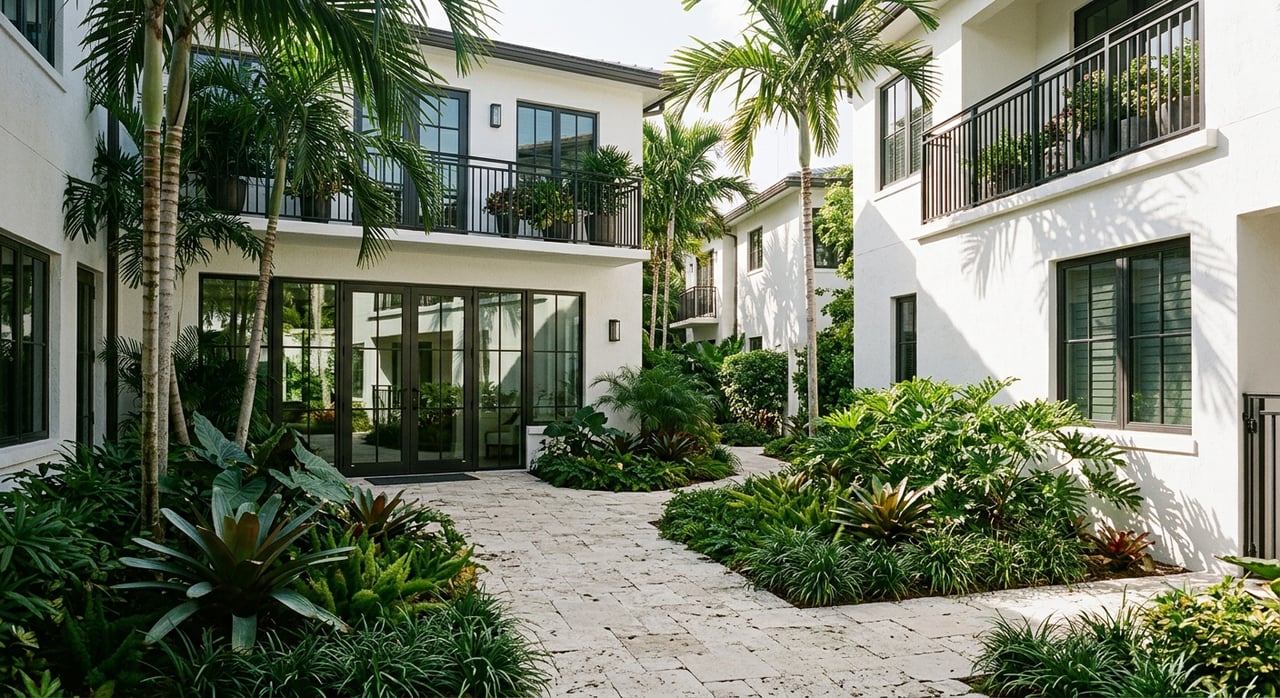
Common features include impact-rated glass or shutters, corrosion-resistant materials, private docks or lifts, seawalls or bulkheads, pools, and covered outdoor living areas. Many older lots have seen teardown-and-rebuild activity, so it is normal to find a 1960s cottage next to a new two-story home.
Boating and access basics
If boating is your priority, confirm the details early.
- Depth and bridge clearances. Ask about mean low-tide depth at the dock and bridge heights on your route to the inlet.
- Dredging history. Near the inlet and in some canals, periodic dredging is common. Clarify frequency, costs, and who pays.
- Slip ownership. Some slips are deeded, others are licensed or part of a community pool. Verify the status in writing.
- Permits. Docks, seawalls, and dredging typically require approvals from multiple agencies. You can review general permitting guidance through the U.S. Army Corps of Engineers regulatory program and coastal permitting resources from the Florida Department of Environmental Protection.
Costs, insurance, and risk
Coastal ownership involves specific risks that affect your budget and peace of mind.
- Flood risk. If a home sits in a FEMA special flood hazard area, lenders typically require flood insurance. Check the property’s zone on the FEMA Flood Map Service Center. An Elevation Certificate can help support more accurate flood insurance pricing.
- Windstorm exposure. Oceanfront and inlet areas face higher winds and surge. Roof condition, roof-to-wall attachments, impact windows, and shutters can support wind mitigation credits. Learn more about standards through the Florida Building Code.
- Sea-level rise and surge planning. Use the NOAA Sea Level Rise Viewer to visualize potential long-term exposure. Local effects vary by site and elevation.
- Sea turtle season rules. Beachfront lighting and certain activities are restricted during nesting season. Review guidance from the Florida Fish and Wildlife Conservation Commission.
Buyer due diligence checklist
Before you write an offer, line up the documents and inspections that matter most on the water.
- Verify flood zone and request the Elevation Certificate if available.
- Pull permit history for docks, seawalls, lifts, and additions. Use county and town records, and confirm that work matches permits.
- Order a marine inspection of the seawall and dock. Ask about age, seepage, pilings, and electrical to the dock.
- Get flood and wind insurance quotes early. Compare options and ask about wind mitigation credits.
- Confirm slip status. Deeded, licensed, or community-managed, and any HOA rules or waitlists.
- Ask about dredging history, assessments, and who pays.
- Commission standard home, termite, and moisture inspections. Salt air can speed up corrosion.
- Check for environmental constraints like wetlands or mangroves and any setback rules.
- Review practical boating details. Low-tide depth at the dock, distance to the inlet, and bridge clearances.
For parcel and building information, the Palm Beach County Property Appraiser offers public records and maps. For flood zones, use the FEMA Flood Map Service Center. For coastal construction and dune setbacks, consult the Florida Department of Environmental Protection.
Lifestyle and everyday living
Jupiter’s waterfront is about more than a house. It is a way of life.
- Boating culture. You will find public ramps, yacht clubs, and private marinas. Slip availability varies, and some communities manage their own marina systems.
- Beaches and parks. Access points, parking, and nearby amenities shape daily convenience. Explore parks and beach information through the Town of Jupiter.
- Dining and shopping. Some waterfront pockets feel serene and residential, while areas near central corridors offer walkable access to restaurants and services.
- Commute tradeoffs. Buyers sometimes swap a longer drive for a home on the water. If school zoning matters, confirm current assignments with the county before you commit.
How we help you choose well
Your perfect waterfront fit depends on your priorities. Do you care most about quick ocean access, quiet canals for paddleboarding, or a sandy path to the beach? We help you compare neighborhoods, construction types, flood and wind considerations, and boating logistics so you can buy with confidence.
If you are exploring Jupiter’s oceanfront, Intracoastal, canal, or riverfront options, reach out. Our team brings local insight, steady communication, and broker-level guidance to every step. Let’s map the options and build a plan that fits your lifestyle. Connect with Craig Reeves to get started.
FAQs
What is the difference between oceanfront and Intracoastal in Jupiter?
- Oceanfront offers direct beach access and panoramic views, while Intracoastal homes provide protected waters for boating with fewer exposure and surf conditions.
Do waterfront homes in Jupiter always include a dock?
- No, some docks are deeded, some are licensed, and others are community owned or not included, so confirm the status in writing.
How can I check a home’s flood zone and elevation?
- Look up the property on the FEMA Flood Map Service Center and request the seller’s Elevation Certificate to verify finished-floor height.
Are seawalls and docks expensive to maintain?
- Maintenance can be significant over time, so get marine inspections, review permits, and ask about age, repairs, and any neighborhood dredging assessments.
What insurance do I need for a waterfront home?
- You will typically evaluate flood insurance and windstorm coverage, with premiums influenced by elevation, construction features, and location.
Are there lighting rules for beachfront homes in Jupiter?
- Yes, during sea turtle nesting season, beachfront lighting must follow turtle-friendly standards as outlined by the Florida Fish and Wildlife Conservation Commission.