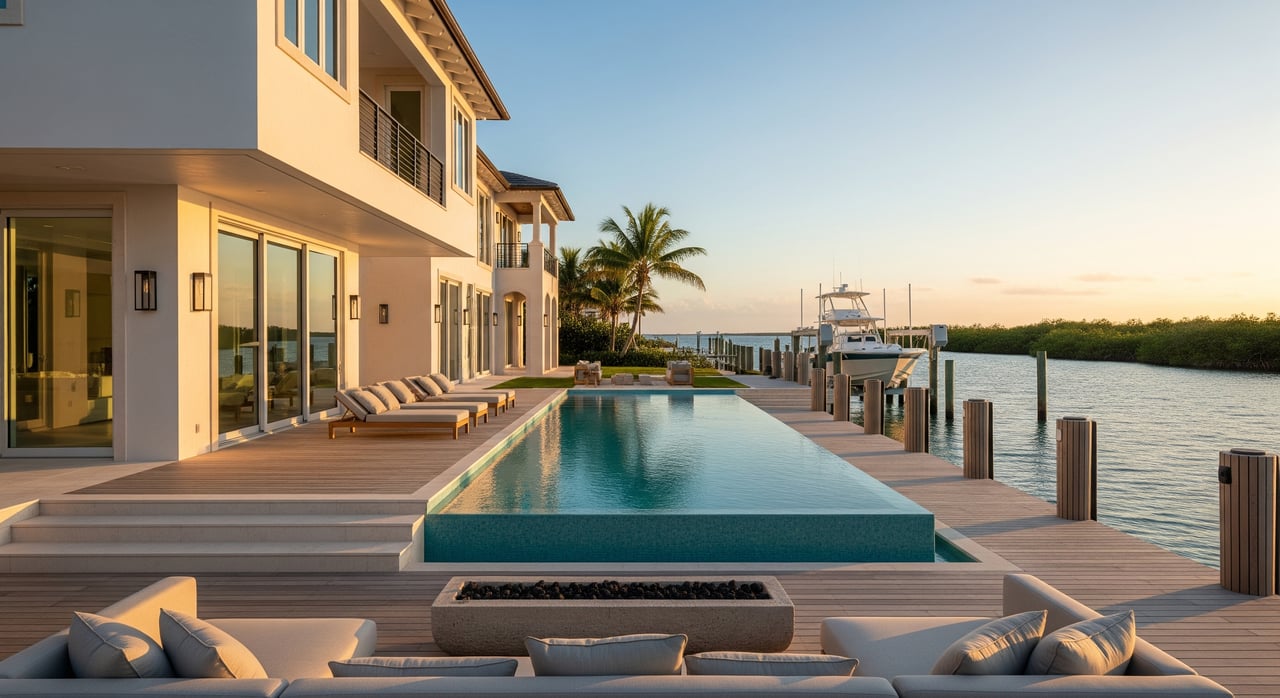
Pricing Waterfront Homes in Hobe Sound: A Practical Guide
January 8, 2026
January 8, 2026
You cannot price a Hobe Sound waterfront home the same way you price a typical house. Water access, elevation, and even the condition of the seawall can shift value by six figures. If you are buying or selling, you need a process that looks beyond price per square foot. This guide shows you what drives price, how to build a reliable comp set, and which inspections and documents protect your bottom line. Let’s dive in.
Not all water is priced the same. Ocean and beach exposure typically command the highest premiums, followed by large waterways like the Intracoastal or Indian River, then canals, and finally small ponds or non‑navigable water. Navigability, tides, and clearance to open water matter. A wide, deep canal with quick access to open water usually outperforms a narrow, shallow, dead‑end canal.
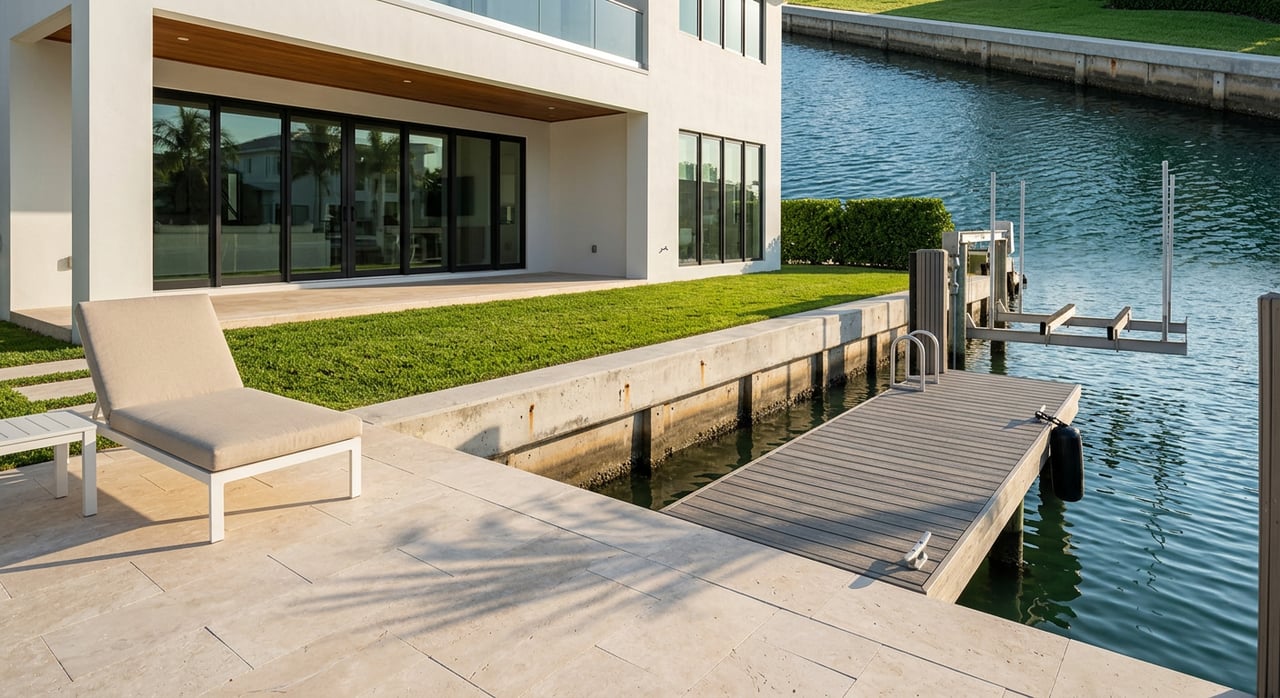
Waterfront value depends on how you use it. A permitted dock, boatlift, and boathouse can be major value drivers for boaters. Seawall or bulkhead condition is critical. A newer, well‑maintained seawall supports value, while visible movement, cracking, or spalling can trigger price reductions or repair credits.
More linear waterfront footage can boost price, but quality beats quantity. Buyers respond to view corridors, lot elevation, and sun orientation. Setback from the water and exposure to morning or evening sun shape livability and appeal.
Age, construction quality, and updates tie directly to price and insurability. Features like impact windows, a newer roof, elevated mechanicals, and recent permitted additions increase marketability. Homes that meet current codes generally face fewer lending and insurance hurdles.
Flood zone designation and finished‑floor elevation influence carrying costs and buyer demand. Properties in a Special Flood Hazard Area typically require flood insurance if you finance the purchase. Having an Elevation Certificate and a higher finished‑floor relative to Base Flood Elevation can support stronger pricing by lowering perceived risk and insurance costs.
Coastal lots can involve mangroves, seagrass beds, or wildlife refuge buffers that limit trimming, dock work, or shoreline changes. Confirm riparian rights, easements, and whether the property extends to the mean high‑water line. Clean title and documented rights reduce surprises and protect value.
Proximity to marinas, boat ramps, shopping, and town centers enhances appeal. At higher price points, the buyer pool can be smaller, which sometimes increases days on market and price dispersion. Understanding local demand and inventory helps you position price and timing.
Before setting price, verify the property’s regulatory and environmental context. The right links make this easy:
Properties that lack proper permits for docks, bulkheads, or renovations often face discounts or escrow requirements to address issues. Accurate documentation supports your price.
Insurance and financing shape what buyers can afford and what sellers can command. If the home lies in a Special Flood Hazard Area, lenders usually require flood insurance. Learn how the program works at the FEMA/NFIP flood insurance page. Some owners use private flood policies, while others rely on Citizens Property Insurance as a backstop. You can review eligibility and updates at Citizens Property Insurance.
Higher annual premiums for flood and windstorm coverage can reduce what buyers are willing to pay. On the flip side, mitigation features and a favorable Elevation Certificate can support stronger pricing. Appraisers and lenders will also consider seawall integrity, elevation, and any non‑permitted work.
Your Comparative Market Analysis should mirror the property’s water exposure and functionality.
Price per waterfront foot can be a helpful metric in micro‑markets, but it is not a stand‑alone rule. Weight frontage by view quality, depth, and access. Blend it with adjustments for home size, condition, and improvements to avoid over‑ or under‑pricing.
Insist on documentation. An Elevation Certificate, recent roof and mechanical permits, and proof of permitted dock or seawall work reduce friction. If a seawall is near end of life or a dock needs replacement, build those costs into your pricing or offer strategy.
Create three scenarios: best‑case, likely, and conservative. In each, account for insurance costs, any immediate repairs, and potential buyer objections. This gives you a defensible price range and a plan if the market shifts.
Use a clear checklist when building your comp set:
If recent matches are limited, expand your search radius modestly while keeping the same water type. Use both price per waterfront foot and price per livable square foot, but apply qualitative adjustments for view, elevation, and condition. When possible, perform paired‑sales analysis to isolate the value of a dock, lift, or seawall repair.
Pricing a Hobe Sound waterfront home is equal parts data and due diligence. You will set a better price or write a smarter offer when you validate flood zone and elevation, match comps by water type, and quantify seawall and dock condition. If you want a proven, step‑by‑step plan tailored to your property and budget, connect with Craig Reeves for a personalized consultation.
Stay up to date on the latest real estate trends.

Get assistance in determining current property value, crafting a competitive offer, writing and negotiating a contract, and much more. Contact us today.