Leave a Message

By providing your contact information to Craig Reeves, your personal information will be processed in accordance with Craig Reeves's Privacy Policy. By checking the box(es) below, you consent to receive communications regarding your real estate inquiries and related marketing and promotional updates in the manner selected by you. For SMS text messages, message frequency varies. Message and data rates may apply. You may opt out of receiving further communications from Craig Reeves at any time. To opt out of receiving SMS text messages, reply STOP to unsubscribe.

Thank you for your message. We will be in touch with you shortly.

Explore Our Properties

Florida Title Insurance: A Jupiter Buyer’s Guide

December 4, 2025

Buying a home in Jupiter should feel exciting, not confusing. Yet the moment title insurance shows up on your closing estimate, it can raise questions. You want to know what it covers, whether you really need it, and what is different about buying near the coast in Palm Beach County. This guide gives you clear, local answers so you can close with confidence. Let’s dive in.

Title insurance, in plain English

Title insurance protects you from covered problems with a property’s ownership history that existed before you closed. Think of issues like a forged deed in the chain of title, an undisclosed heir, a clerical error in public records, or a lien that was never properly released. If a covered defect surfaces later, the insurer defends your ownership or covers your loss up to the policy amount.

There are two policy types:

  • Owner’s policy. Protects your equity and ownership up to the purchase price. It is optional but highly recommended.
  • Lender’s policy. Protects your lender’s loan balance. Your lender typically requires this if you have a mortgage.

You pay the premium once at closing. Coverage lasts as long as you own the home, and for certain interests held by your heirs.

What is covered, and what is not

Typical protections include claims against your ownership interest, undisclosed liens and encumbrances, certain recording errors, forgery, and improper signatures. Where buyers get into trouble is assuming title insurance covers everything related to the property. It does not.

Common exclusions include zoning and land use violations, eminent domain that was not recorded, environmental contamination, and boundary or survey disputes unless you purchase specific endorsements. Title insurance also does not cover future changes in law or your own actions after closing. The best time to tailor your coverage is while reviewing the title commitment, which lists items that need to be cleared and the exceptions that will not be insured.

Why title insurance matters in Jupiter

Buying in a coastal community comes with unique considerations. In Jupiter and greater Palm Beach County, your title search and closing team will review county-recorded documents, municipal liens, and association obligations. Several local factors affect risk and coverage decisions:

  • Coastal and waterfront rights. Riparian or littoral rights, the mean high-water line, and potential state ownership of submerged lands can affect use and access. Waterfront neighborhoods can also see unrecorded access claims or prescriptive easements. These issues often require careful review and, in some cases, endorsements.
  • Flood and storm exposure. Flood risk is a major factor for lending and insurance decisions. Title insurance does not cover flood damage. Lenders may require separate flood insurance if the property is in a Special Flood Hazard Area. It is smart to confirm your flood zone and obtain quotes early.
  • Condominium and HOA obligations. Condos and planned communities follow Florida statutes that govern operations, budgets, and assessments. For condos, the seller typically provides an estoppel certificate that discloses fees and outstanding balances. Your title company will review these to check for lien risk, and condo-specific endorsements are common.
  • Homestead and marital status. Florida’s homestead protections can affect transfers and spousal signatures. Title teams verify homestead claims and marital status to avoid issues at closing.
  • Local liens and assessments. Palm Beach County records, municipal lien searches, and utility departments may reveal unpaid taxes, code enforcement liens, special assessments, or utility balances. These must be identified and addressed before policy issuance.

How the title process works in Palm Beach County

Here is what typically happens after you go under contract in Jupiter:

1) Title search and commitment

A title search reviews recorded documents in the Palm Beach County Clerk & Comptroller’s Official Records. The title company issues a title commitment that outlines:

  • Schedule A. The basics, such as buyer and lender names, legal description, and policy amounts.
  • Schedule B, Part I. Requirements to satisfy before issuing the policy, like paying off existing mortgages or releasing liens.
  • Schedule B, Part II. Exceptions, which are items not covered by the policy unless removed or insured over.

2) Review and negotiate exceptions

You and your agent review the commitment and decide what must be cleared before closing. Examples include outdated liens, judgments, or restrictive covenants that conflict with your intended use. For survey matters and access issues, you may request endorsements.

3) Curative work

The title company coordinates payoffs, obtains releases, corrects clerical errors, and records necessary instruments. In complex cases, attorneys may pursue quiet title actions or obtain affidavits to resolve heirship or easement claims.

4) Closing and policy issuance

Once requirements are satisfied, you close and policies are issued. Keep your final policy and recorded deed with your important documents. If a covered issue arises later, you will need your policy details to open a claim.

Common exceptions you may see

In Jupiter transactions, exceptions often include:

  • Existing mortgages that will be paid at closing
  • Judgments or federal tax liens against a seller
  • Contractor or mechanic’s liens from recent work
  • Easements for utilities, drainage, or access
  • Covenants, conditions, and restrictions from plats or recorded documents
  • Rights of tenants in possession
  • Survey or boundary matters that require a current survey to insure

Each exception either needs to be cleared or accepted. If you accept an exception, the policy will not cover losses related to it. When possible, resolve exceptions or purchase endorsements that fit your property’s risks.

Endorsements Jupiter buyers should consider

Endorsements add targeted protection. Whether you need them depends on the property type, location, and survey findings.

  • Survey endorsement. Helps protect against certain encroachments and boundary matters shown by a current survey.
  • Access or location endorsement. Confirms legal access to a public road, which can be important on interior or flag lots.
  • Condominium or cooperative endorsements. Address association governance and certain assessment priorities for condo or co-op units.
  • Homestead and marital status confirmations. Useful where Florida homestead or spousal interests could affect title.
  • Mechanic’s lien coverage for recent improvements. Valuable if construction or major renovations occurred shortly before closing.
  • Environmental or state-specific endorsements where available. Coastal or environmentally sensitive areas may benefit, subject to insurer offerings.

Note that zoning and land use violations are usually outside standard coverage. Discuss any land use concerns with your title company and your attorney during inspection and due diligence.

Costs and who pays in Jupiter

Title insurance premiums are a single, one-time cost paid at closing. The owner’s policy is based on the purchase price and the lender’s policy on the loan amount. You will also see related fees, such as closing and escrow fees, recording and documentary stamp charges, and endorsement charges. Title companies can provide an estimate tailored to your price point and endorsements.

Who pays for the owner’s policy varies by contract and local custom. In many Florida transactions, sellers often pay for the owner’s policy, although this is negotiable and can vary by county or neighborhood practice. Buyers typically pay for the lender’s policy when financing. Confirm payment responsibilities in your purchase agreement and address them early during negotiations.

Owner’s policies remain in force for as long as you own the property. They are not usually transferable to a new buyer. The next buyer typically purchases a new owner’s policy. In limited cases, partial refunds may be available if an earlier policy exists, subject to insurer rules.

Waterfront and condo tips

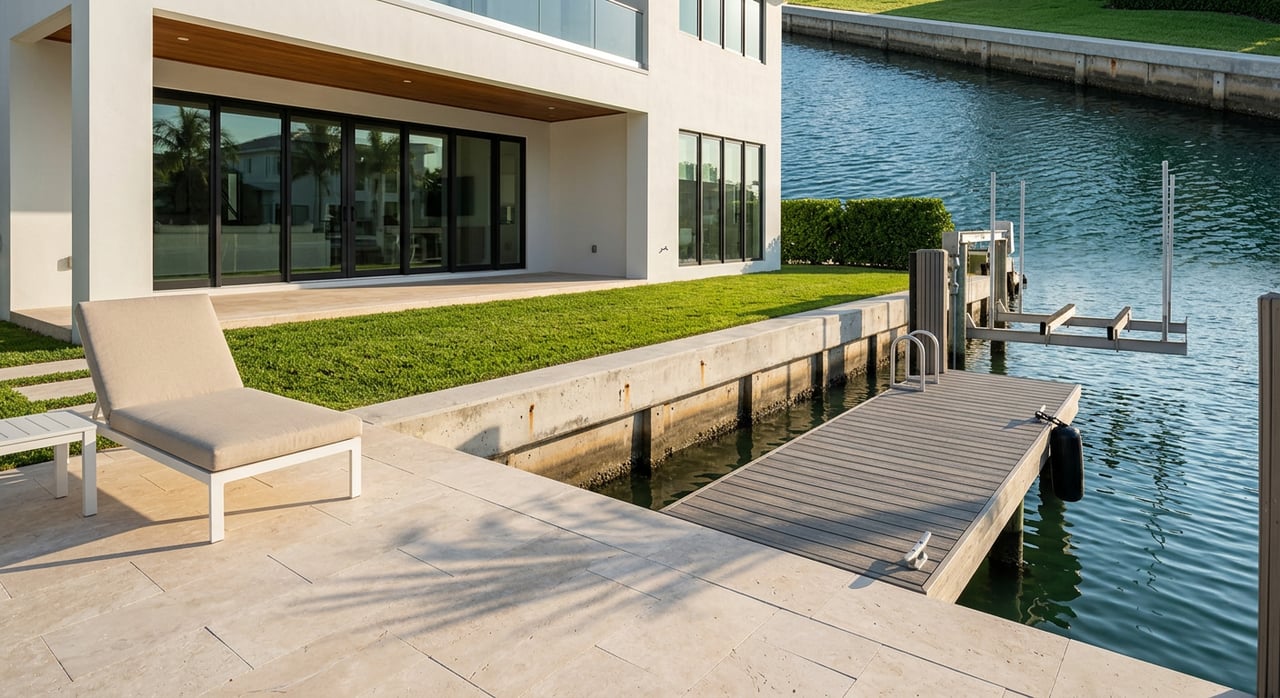
Waterfront considerations

  • Verify boundaries with a current survey, especially if erosion or accretion may have altered the shoreline.
  • Discuss riparian or littoral rights, potential state ownership of submerged lands, and any unrecorded access claims with your title team.
  • Consider a survey endorsement and access confirmation to address boundary and entry concerns.

Condominium and HOA essentials

  • Confirm association budgets, rules, and recent or pending special assessments.
  • Obtain and review the estoppel certificate to verify fees and outstanding balances.
  • Consider condo-specific endorsements that address how assessments are handled in the priority of liens.

Your pre-closing checklist

Use this simple list to stay ahead of issues:

  • Order title early and review the commitment with your agent.
  • Get a current boundary survey and request a survey endorsement if available.
  • For condos or HOAs, request the estoppel certificate and governing documents, then review fees and rules.
  • Confirm flood zone status and, if required by your lender, secure flood insurance.
  • Ask the title company for a fee estimate that includes endorsements and recording costs.
  • Share details about any recent renovations so the title team can check for contractor liens.
  • Confirm in writing who pays for each closing cost item, including the owner’s and lender’s policies.

When to bring in legal help

Most title issues are routine and resolved by your title team during the commitment and curative process. If a dispute involves competing heir claims, uncertain waterfront boundaries, unrecorded easements, or other complex matters, consult a Florida real estate attorney. Early advice can speed resolution and protect your interests.

Close with confidence in Jupiter

A strong title commitment, the right endorsements, and a clear plan for curative items add up to a smooth closing. With coastal details, association rules, and county recording practices in the mix, you benefit from local guidance and steady communication from contract to keys. If you are weighing options or want help setting up your title review, we are here to guide you step by step.

Ready to move forward on a Jupiter home with confidence? Connect with Craig Reeves for local insight, vendor introductions, and a personalized game plan from contract to closing.

FAQs

Is title insurance required for Florida homebuyers?

  • It is not legally required for buyers, but lenders typically require a lender’s policy when you finance. An owner’s policy is optional but recommended to protect your equity.

How long does an owner’s title policy last?

  • Coverage continues for as long as you own the property, and can extend to certain interests of your heirs according to policy terms.

Who usually pays for the owner’s policy in Jupiter?

  • Payment is negotiable and set in the contract; in many Florida transactions sellers often pay for the owner’s policy, while buyers typically pay for the lender’s policy.

Does title insurance cover flood damage or zoning problems?

  • No, title insurance generally excludes physical damage from flooding and future zoning or code compliance issues; separate policies and due diligence are needed.

What happens if a covered title defect appears after closing?

  • You notify the title insurer, which may defend your title or indemnify your covered loss up to the policy amount, according to the policy terms.

What endorsements should I consider for a Jupiter waterfront property?

  • Consider a current survey and a survey endorsement, plus an access endorsement; discuss riparian or littoral rights and shoreline issues with your title company and attorney.

Work With Us

Get assistance in determining current property value, crafting a competitive offer, writing and negotiating a contract, and much more. Contact us today.